

How to Style a Haori Jacket: A Complete Guide for Modern Outfits
A haori jacket might be the most versatile layer most people have never tried. Whether you are building a casual look around denim or searching for an elegant evening layer, this complete guide breaks down everything you need to know-from instant outfit formulas to fabric choices, cultural roots, and practical wearing tips. Haori jackets can be styled for casual, smart-casual, and elevated evening looks, and you are about to see exactly how.
Instant Styling Ideas: How to Wear a Haori Jacket Today
Before we dive into history or fabric science, here are ready-to-use outfit recipes you can try this weekend. No kimono expertise required, no special accessories needed-just your existing wardrobe and one great haori.
-
Friday date night: A Japanese haori in vintage silk over a black slip dress, strappy heels, and minimal jewelry. The haori's drape does the talking while you keep everything else understated.
-
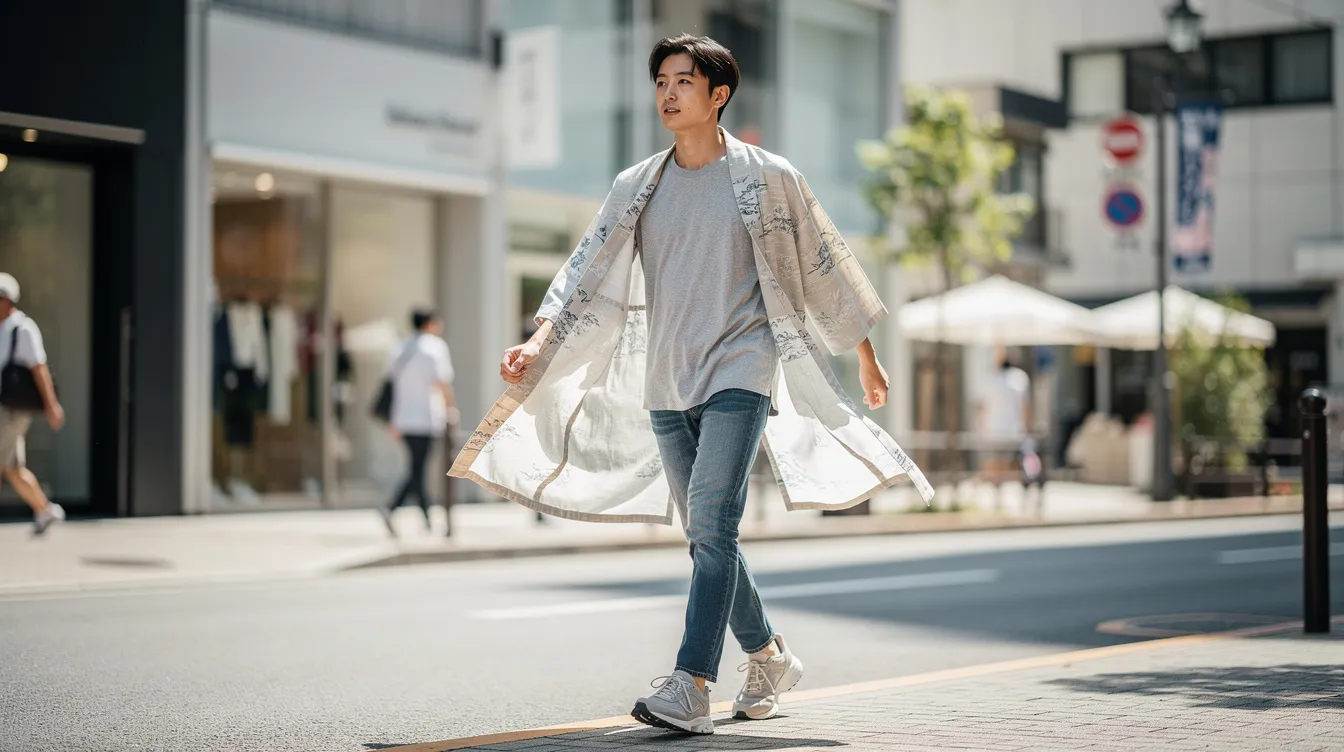
Saturday brunch: A haori coat over a white tee and straight-leg jeans with clean sneakers or loafers. Roll the sleeves slightly to flash the lining-an instant style tip that separates intention from accident.
-
Gallery opening (men): A men's haori layered open over a relaxed crew-neck tee, tapered chinos, and loafers. The silhouette reads creative and confident without trying too hard.
-
Travel day: A lightweight cotton haori as a light jacket over monochrome joggers and a tank. It packs flat, breathes well, and upgrades an otherwise forgettable airport outfit.
Modern haori can be worn over Western clothing just as easily as over a traditional kimono. The beauty is that the garment works like a cardigan-coat hybrid-slide it on, leave it open or loosely tie the cords, and walk out the door. AnotherDateNight offers collections of ready-to-style haori jackets curated specifically for modern wardrobes, so even someone without any background in Japanese culture can find a piece that fits right in.
What Is a Haori Jacket? (Tradition, Cut & Key Details)
A haori is a traditional Japanese jacket, typically hip- to mid-thigh in length, traditionally worn over a kimono as a protective and decorative outer layer. Unlike a kimono, a haori is worn open-its front panels hang straight rather than wrapping around the body. This single structural difference gives the garment its relaxed, effortless silhouette.
The cut is straight and T-shaped with wide sleeves and triangular gussets under each arm for movement. Think of it as a lightweight jacket with the ease of a cardigan but the presence of a coat. The collar sits thin and flat, following the neck cleanly without lapels or a stand-up structure.
Closure comes from haori himo-decorative cords that tie loosely at chest height. You never pull them tight like a coat fastening; the himo are ornamental as much as functional. Many people wear a haori with the himo left untied entirely, letting the front panels frame whatever is underneath.
Historically, haori coats protected the kimono beneath from weather and added formality to an ensemble. Today they function as a kimono jacket that transitions seamlessly into streetwear, workwear, and evening outfits. Because the shape is essentially unisex-straight body, similar sleeve width, loose torso-both women and men can integrate a haori into diverse wardrobes with minimal adjustment.
Haori in Japanese Culture: Origins and Modern Meaning
Haori originated in Japan during the Edo period (1603–1868), evolving from practical garments for samurai. Earlier ancestors of the haori, such as the jinbaori-a samurai-inspired haori worn over armor-and the busho-baori, which evokes the presence of Japanese warlords, were functional military layers before becoming civilian clothing. As merchant classes grew in influence and sumptuary laws loosened, townspeople adopted the haori as everyday outerwear, often wearing plain exteriors with sumptuous linings as a subtle display of wealth.
The haori was primarily worn by men until the Taisho period (1912–1926). Geisha in districts like Fukagawa had begun wearing haori over their kimono in the 18th and 19th centuries, defying gendered dress codes. By the Taisho era, ordinary women embraced the garment too, and the haori became a symbol of modern Japanese fashion in the 20th century-marking shifting gender roles and greater sartorial freedom.
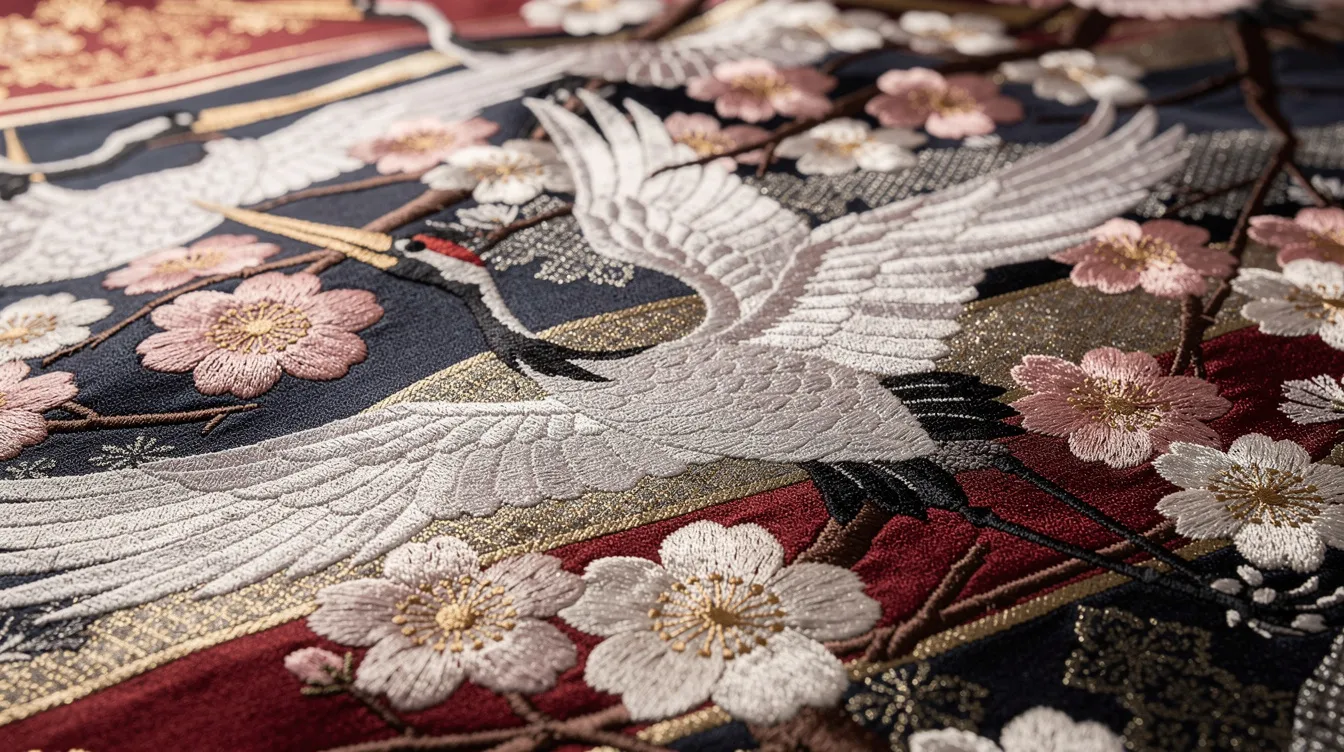
Haori often features intricate family crests and seasonal motifs: cherry blossoms for spring, maple leaves for autumn, cranes for longevity, waves for resilience. A montsuki haori bearing family crests signals formal occasions and ceremony. Scenic motifs sometimes picture landscapes, including iconic imagery like Mount Fuji. These designs turn each haori into a wearable story rooted in tradition. Even the concept of ma-intentional negative space-appears in the haori's open front and clean, architectural lines, giving the garment a calm presence that feels almost meditative.
This heritage is exactly why a vintage haori feels so elevated compared to mass-market jackets. It carries history in its fabric.
Haori vs. Cardigan or Blazer: Why Choose a Haori Coat?
If you already reach for cardigans, dusters, or unstructured blazers, a haori coat slots into the same role-but with significantly more character. Here is how they compare:
|
Feature |
Haori |
Cardigan |
Blazer |
|---|---|---|---|
|
Closure |
Haori himo (cords) or worn open |
Buttons, zip, or open |
Buttons, sometimes open |
|
Collar |
Thin, flat, no lapels |
Varies (crew, shawl) |
Lapels |
|
Sleeves |
Wide, T-shaped |
Fitted knit |
Structured, tailored |
|
Lining |
Often ornate, contrast pattern |
Rarely lined |
Sometimes lined |
|
Drape |
Fluid, dramatic |
Stretch-based |
Structured |
The loose silhouette of a haori allows for layering with other garments underneath without the rigidity of tailored outerwear. A haori adds structure without the formality of a kimono or a blazer, sitting in a unique middle ground. It packs flatter than structured outerwear, requires no tailoring to fit the body, and instantly upgrades a jeans-and-tee outfit into an intentional look.
Across seasons, versatility holds: silk or crepe haori for spring evenings, unlined summer haori designed for lightweight seasonal comfort, and lined vintage haori as fall layers. Choosing a haori over a cardigan can subtly express appreciation for traditional craftsmanship in day-to-day clothing, turning an ordinary outfit into something people comment on.
Choosing the Right Haori: Fabric, Fit, and Pattern
This is your mini buying guide. The right haori depends on your lifestyle, climate, and how bold you want to go.
Fabric and season:
-
Silk (meisen, chirimen, tsumugi) has a beautiful drape and sheen-ideal for formal occasions, evening events, and date nights. A formal black silk haori is traditionally worn for ceremonies.
-
Cotton and cotton blends are breathable and forgiving-classic cotton haori is ideal for relaxed daily use, and it is also ideal for ryokan and onsen environments where comfort matters most.
-
Wool blends or lined silk suit cooler months and provide warmth without bulk.
-
Linen or linen-silk blends offer texture and work beautifully for summer and travel.
Fit and body type:
-
Choose structured, slightly oversized haori for a contemporary, streetwear-friendly look. A relaxed fit works across most body types.
-
Slimmer vintage haori suit petite frames or tailored aesthetics. Check shoulder width-the seam should sit near the edge of your shoulders without drooping.
-
Longer haori (mid-thigh to knee) add drama but can overwhelm shorter frames. Hip-length haori jacket styles are the safest starting point.
Pattern and color:
-
Bold florals, scenic landscapes, or pictorial Taisho-era designs serve as statement pieces. Intricate patterns in purple, blue, or jewel tones bring instant visual energy.
-
Subtle geometrics, stripes, or a solid color in dark tones (black, navy, charcoal) suit minimalist or office-friendly wardrobes.
-
Linings are where surprise lives-animals, dramatic colors, hand-painted scenes that peek out only when you move.
3 Everyday Ways to Style a Haori Jacket
Here are three outfit recipes for everyday wear that work for both women and men. The key principle: choose a simple base outfit to pair with a haori, and let the jacket be the focal point.
1. Haori + Denim + Plain Tee
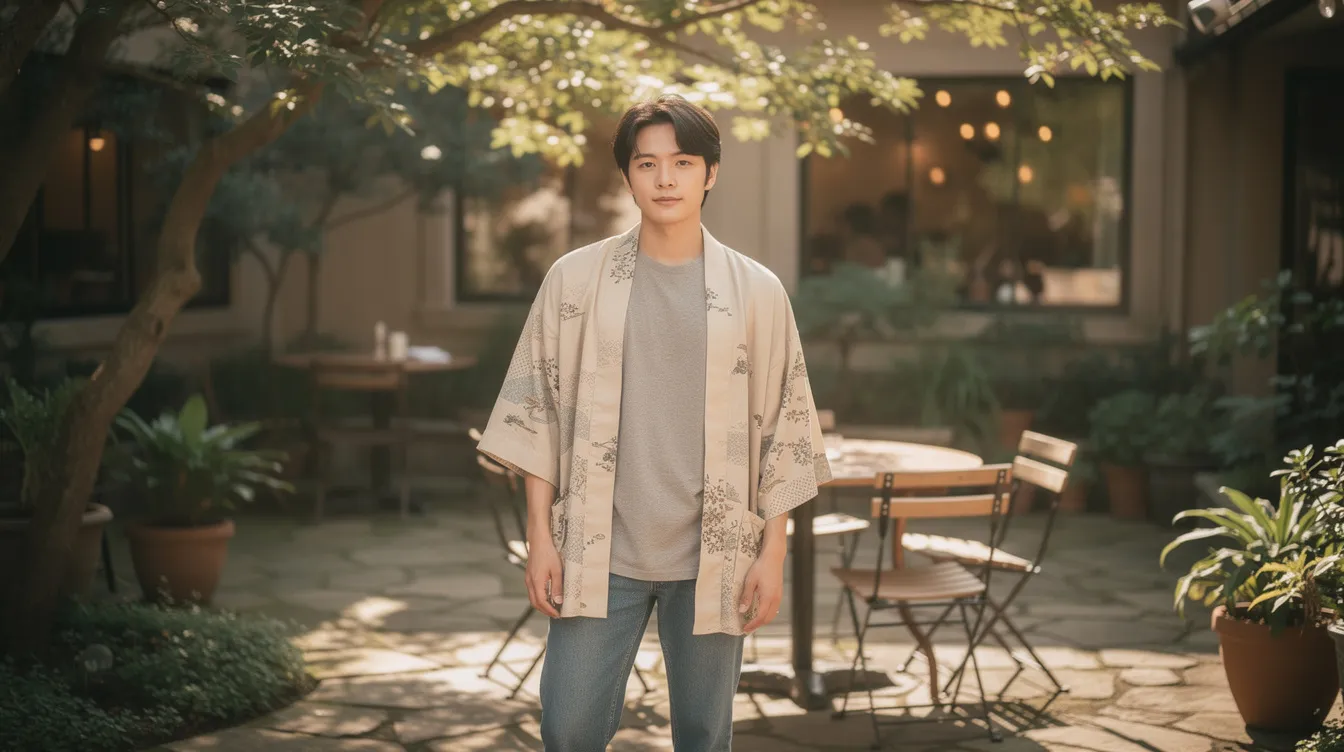
Pair a haori with high-waisted jeans and a fitted tee in white or black. Straight-leg or relaxed denim works best. Shoes: loafers, low sneakers, or simple sandals. Using solid colors or minimal patterns underneath a bold haori enhances its visual impact. Roll the haori sleeves slightly for a relaxed vibe that shows off the lining. This is the definition of a casual look-effortless but considered.
2. Haori + Tailored Trousers + Knit or Shirt
For smart-casual offices or dinners, layer a haori over a fine-knit turtleneck or a fitted blouse in neutral tones. Pair with black or charcoal trousers and ankle boots or loafers. If the haori has a strong pattern, keep your base layers simple. Balancing a haori with simple clothing creates a chic look that reads polished without being stiff.
3. Haori + Athleisure
On comfort-first days, a lightweight jacket like a cotton haori over monochrome joggers and a tank or hoodie keeps you looking pulled together. Avoid bulky hoods that deform the collar line. Slip-on shoes or high-tops work well here. This is daily wear that does not sacrifice style for comfort.
Haori for Date Night: Romantic and Evening Styling
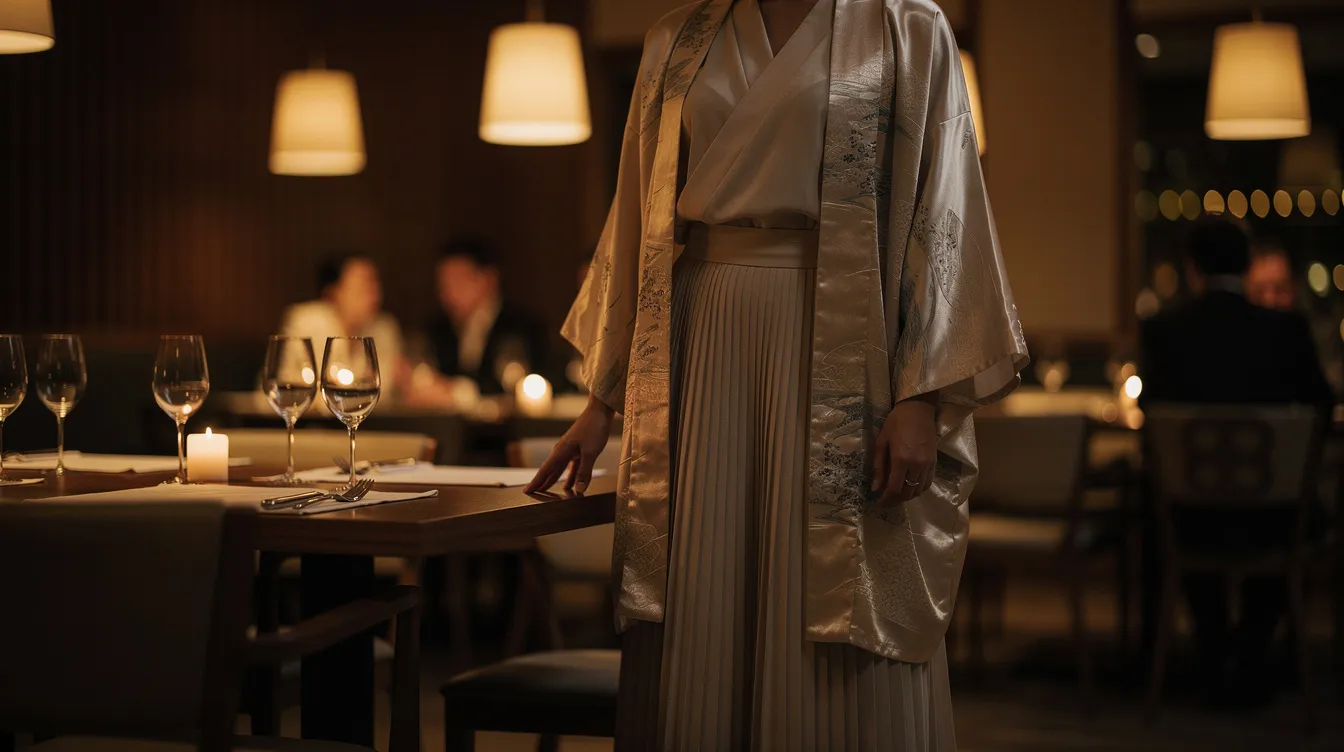
A haori is one of those rare pieces that starts conversations. On a date night-whether it is rooftop drinks, a gallery opening, or a quiet dinner-it signals thoughtfulness and elegance without formality.
Minimal chic: Layer a haori over a neutral slip dress in black or champagne. Add delicate necklaces, small earrings, and barely-there sandals or strappy heels. Keep hair and makeup soft. The haori's fabric and motifs become the centerpiece, lending an air of effortless sophistication. Haoris layer well with dresses or tailored trousers for formal settings, so you can adapt this formula to wide-leg pants and a silk camisole too.
Bolder editorial silhouette: Cinch a longer haori at the waist to create a wrap-style silhouette using a slim leather belt or fabric sash. Pair with a midi skirt or wide-leg trousers and heels. Add a slim leather belt over a haori to define the waist and give the look structure. The contrast between flowing fabric and defined waistline creates drama worthy of a fashion picture.
Men's date-night formula: A dark, textured men's haori over slim black jeans, a collarless shirt, and Chelsea boots delivers understated drama. Keep accessories minimal-a watch, simple ring, nothing competing with the jacket.
AnotherDateNight's haori selection is curated specifically for relaxed, stylish date nights, featuring vintage haori with luxurious linings and textures you will not find on any department store rack.
Men's Haori Style: From Streetwear to Smart-Casual
Men across creative and urban scenes have made the haori a go-to layering piece. Haoris can enhance streetwear aesthetics when layered with casual outfits, and people wear them everywhere from Tokyo to Brooklyn.
Street style: An oversized men's haori over a white tee and relaxed-fit jeans or cargo pants. Minimalist sneakers or heritage boots anchor the look. The contrast between the flowing traditional garment and modern workwear lines is what makes it compelling. Keep the haori worn open for that relaxed silhouette.
Smart-casual: A dark Japanese haori in subtle geometric pattern over an Oxford shirt, tapered chinos, and loafers. If the exterior has a strong motif, choose understated linings so the inside does not compete-or go the other way: plain exterior, showy lining for a surprise effect when you move.
Cooler months: Layer a hoodie or light knitwear under the haori. Keep base layers thin-avoid anything that distorts the haori's collar shape or front line. Leave the himo untied for freer movement. Traditionally, people wear hakama (wide-legged pleated trousers) with haori for formal Japanese dress, but modern fashion swaps those for tapered chinos or joggers without losing the spirit.
How to Wear a Haori: Tying, Layering & Practical Tips
Here is the practical "how" of wearing a haori day-to-day.
Putting it on:
-
Dress in your base outfit first.
-
Slide the haori onto your shoulders. It should feel easy at the shoulders and chest-not tight, not sliding off.
-
Smooth the back seam so it sits centered.
-
Adjust the collar so it sits flat and clean along the neck.
-
Tie the haori himo loosely at chest height, or leave them untied. Never cinch them tight.
Layering principles:
-
Avoid very thick underlayers or oversized scarves that interfere with the haori's clean line.
-
Mid-weight fabrics underneath help the haori drape properly. A shirt, blouse, or fine knit works well.
-
If your under-layer has long sleeves, roll the haori sleeves slightly to avoid bunching at the wrists.
Care and longevity:
-
Hang haori jackets on wide hangers to maintain the shoulder shape.
-
Avoid direct sunlight for vintage silk-it fades dyes over time.
-
Steam rather than iron, especially for silk or textured fabrics.
-
Dry clean when needed; for older antique pieces, consult a textile specialist.
Style tip: if you want to explore the haori in a travel context, pack a cotton or linen version. It folds flat, weighs almost nothing, and works as a light jacket from plane to dinner.
Vintage Haori: Why Older Pieces Feel So Special
Antique traditional haori are prized for craftsmanship and symbolism that modern fast fashion simply cannot replicate. Vintage pieces often feature hand-dyeing techniques like yuzen (resist dye), shibori (tie-dye), and meisen silk weaving-processes that take hours of skilled labor per garment. Linings might be hand-painted with narrative scenes or bear family crests indicating era, region, or social class.
Wearing a vintage haori turns a simple jeans-and-tee outfit into something curated-museum-level inspiration draped casually over your shoulders. The craftsmanship speaks for itself. Bold Taisho-era motifs, abstract Showa-era patterns, or subtle Meiji-period geometrics each tell a different chapter of Japan's textile history.
There is a sustainability angle too. Choosing a vintage haori supports slow fashion-reusing existing garments with rich textile histories rather than buying new synthetics. Quality of construction means these pieces often outlast anything hanging in a contemporary shop.
AnotherDateNight focuses on sourcing vintage haori in good condition with authentic provenance from Japanese suppliers, ensuring each piece is both wearable and historically meaningful.
AnotherDateNight's Approach: Authentic, Wearable Haori
AnotherDateNight is a small brand based in Hong Kong that curates haori coats and kimono jackets for modern street style and date nights. Every piece is sourced directly from expert Japanese suppliers and artisans who specialize in authentic vintage haori and custom designs.
What sets them apart:
-
Premium fabrics with clean interiors and hand-tied haori himo accents
-
Careful inspection of each garment before listing-seams, linings, dye integrity
-
Pieces selected specifically to pair with Western clothing: denim, tailoring, dresses, and everyday wear
-
All U.S. tariffs are fully included in shipping costs, so customers in the United States face zero surprise delivery fees
Whether you are drawn to the elegance of a silk evening haori or the relaxed ease of a cotton daily-wear piece, their collection bridges tradition and modern fashion without asking you to choose between them.
Styling a Haori with Intention: Final Thoughts & Call to Action
Haoris blend traditional Japanese aesthetics with contemporary fashion in a way few garments can match. A single Japanese haori can shift from a daytime casual look with jeans to an evening-ready layer over a slip dress or tailored trousers-all without changing shoes or overthinking accessories. Haoris can serve as statement pieces that enhance modern outfits across every context, from coffee runs to candlelit dinners.
Start with one haori jacket that speaks to you-through its color, motif, fabric, or the feeling you get when you drape it over your shoulders. Build three or four go-to outfits around it. Let the garment become a quiet anchor in your wardrobe.
Explore AnotherDateNight's latest haori coat and kimono jacket collection to find a piece that fits your everyday life and your most special nights out. Every jacket in their collection is chosen to make getting dressed feel less like routine and more like a small daily ritual of art, culture, and self-expression.
The haori has traveled centuries to reach your closet. All you have to do is put it on.