

Obi Hanger: Turning Kimono Obi into Serene Japanese Wall Art
Introduction: From Hidden Obi Belt to Japanese Room Centerpiece
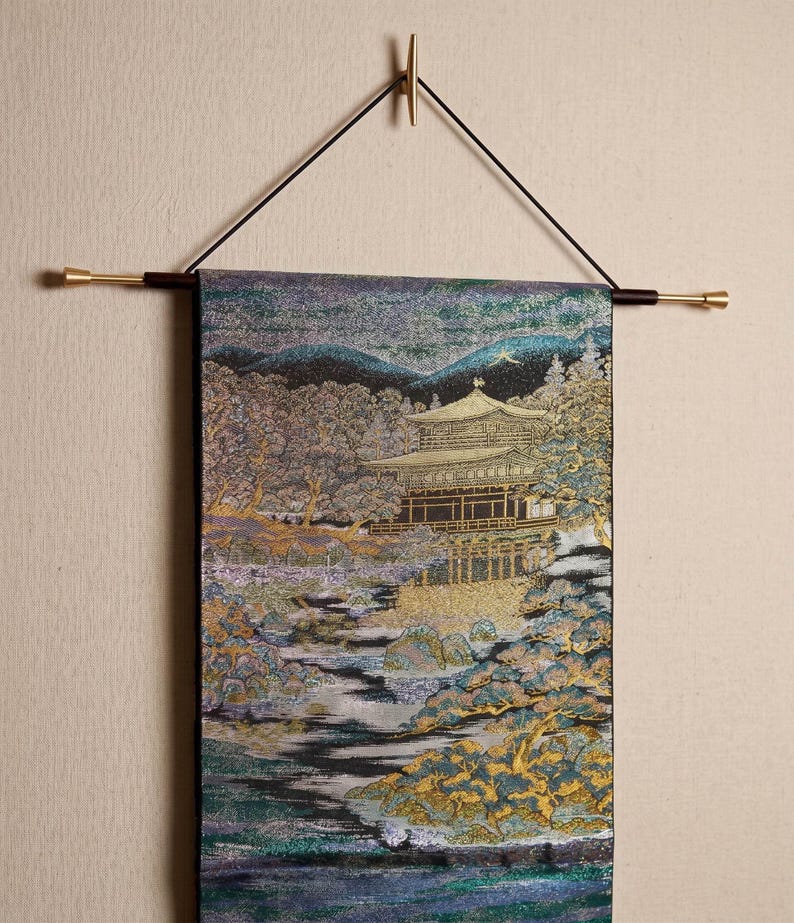
Imagine a quiet room at dawn. Bare plaster walls, a low timber bench, the faint scent of hinoki. And on the far wall, a single vintage silk obi hangs vertically from a slender wooden bar - gold-threaded cranes catching the earliest light, the fabric draping with the weight of decades, perfectly still. It looks less like clothing and more like a scroll painting you could reach out and touch.
An obi hanger is a specialized hanger used to store or display an obi, the wide decorative sash worn with a kimono. Yet most people outside Japan never think to use one. Across attics, closets, and cedar drawers worldwide, stunning vintage obis sit folded and forgotten - pieces of wearable art that no one sees. These textiles, some woven over weeks with silk, metallic thread, and intricate designs borrowed from centuries of Japanese culture, deserve more than darkness. They deserve a wall.
This guide is about making that happen. We will explore Japanese room decor ideas, walk through how to display an obi belt safely, and explain how the right obi hanger preserves delicate textiles while turning your home into a gallery of living history. Along the way, you will meet a handcrafted solution designed by AnotherDateNight, a small Hong Kong studio that builds its hanger from Purple Sandalwood and pure copper - but more on that later. First, let us talk about the room itself.
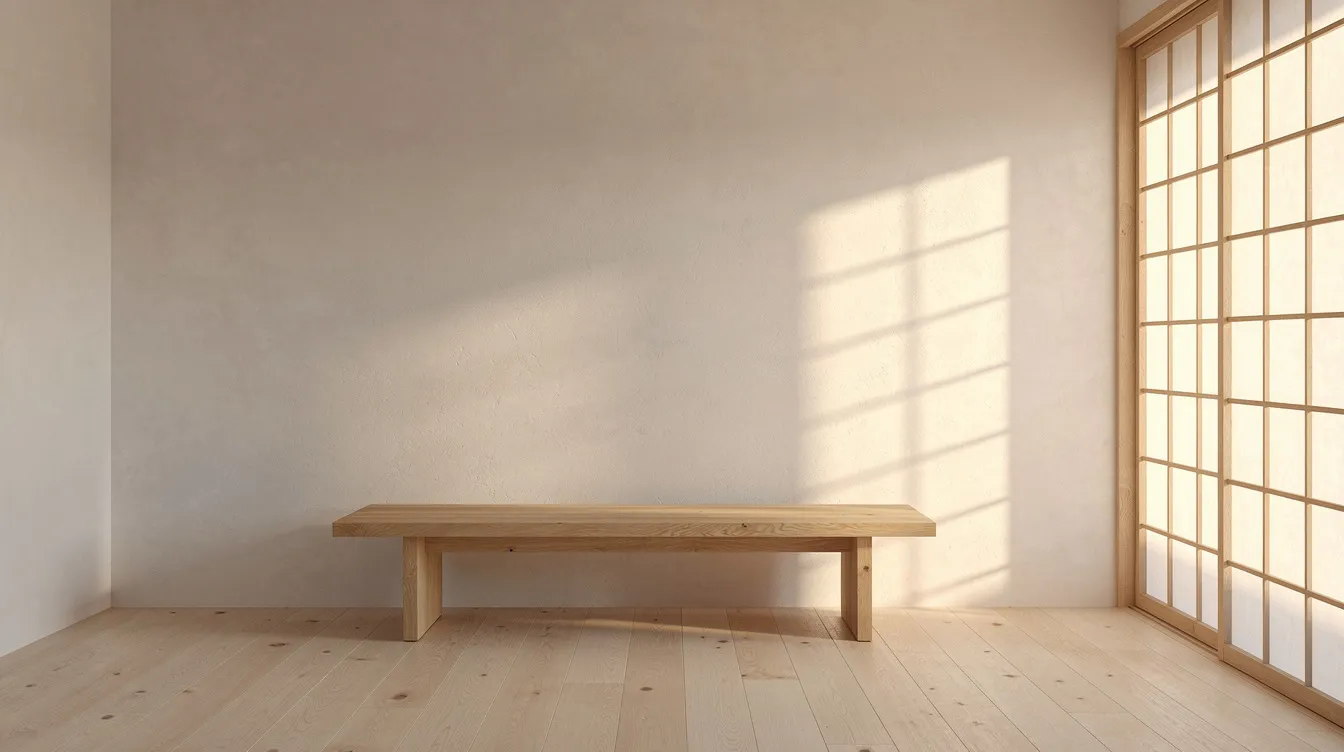
Japanese Room Decor Ideas: Designing a Calm Space Around Your Obi
Japanese interior philosophy rests on a few core principles: minimalism that removes rather than adds, Ma - the intentional use of empty space to let objects breathe - and a reverence for natural materials like wood, woven silk, and metal. When you hang a kimono obi on a wall, you are not decorating a room. You are composing a space the way a calligrapher composes a page, where what you leave out matters as much as what you include.
Here is how to build that sense of calm around a single obi display:
Choosing the right wall and location:
-
Select a wall that already feels quiet - a reading nook, a hallway that catches indirect light, or the space above a low console or sideboard. Avoid cluttered walls or rooms with competing visual noise.
-
A single striking vintage obi works far better as a focal point than several smaller textile pieces competing for attention. Let one obi carry the room.
-
Obis are often sold cheaply in second-hand kimono stores, so building a small rotating collection is accessible even on a modest budget. Obis can also be framed and displayed as wall art, or used as a table runner draped across a dining surface. Some people even use them to enhance dining decor as placemats, or tie them into decorative knots for display on a shelf. But the simplest, most striking approach is a single obi hung flat on a dedicated hanger.
Using motifs to set the room's mood:
-
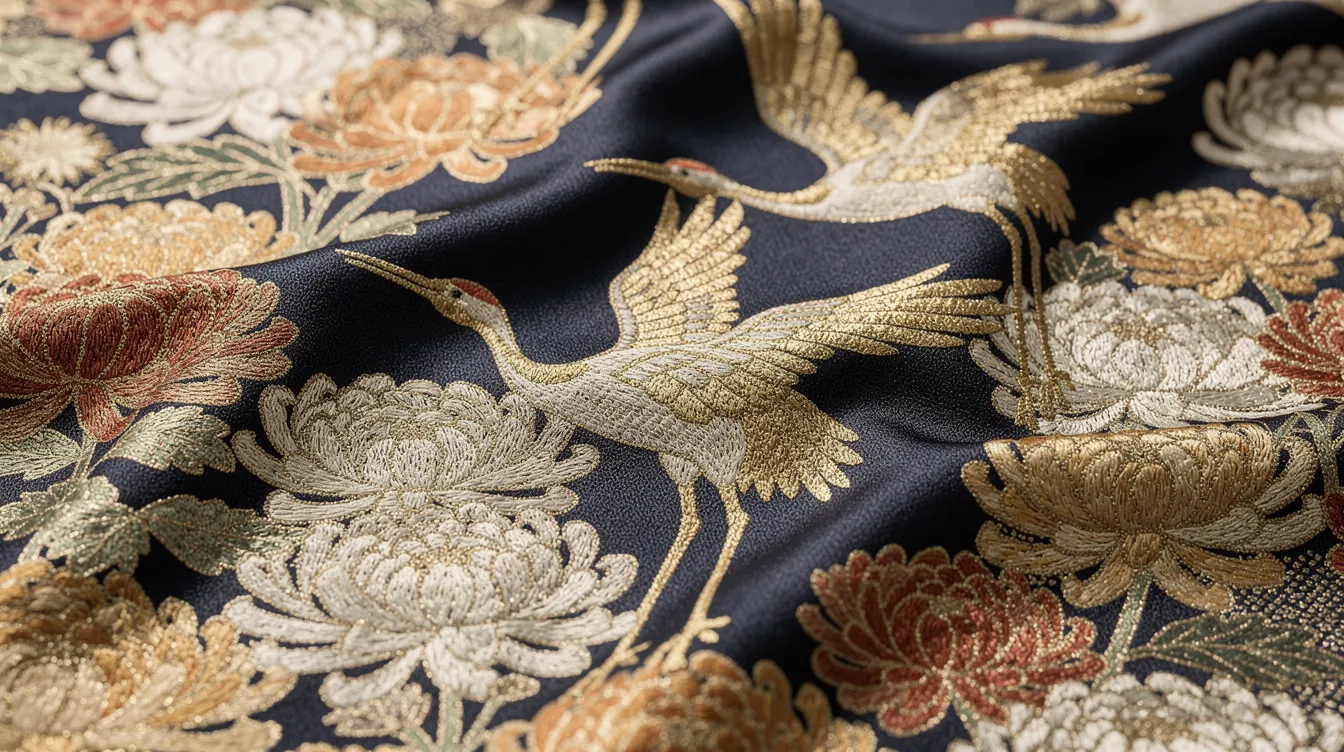
Common obi motifs carry specific meaning rooted in centuries of Japanese textile tradition. Cranes symbolize longevity, chrysanthemums evoke autumn and imperial elegance, and seigaiha - the repeating wave pattern - suggests calm and continuity. Choose a motif that matches the emotional register you want in the room.
-
Metallic gold brocade with cranes or phoenix feels formal and ceremonial; a simpler indigo obi with geometric wave patterns feels meditative and understated. The obi's motif is your room's personality - let it guide the rest of your choices.
-
Obis can be displayed by tying them into decorative knots when you want a sculptural, three-dimensional effect. Framing obis can also create unique wall art if you prefer a more protected, museum-style presentation behind glass.
Practical layout and spacing:
-
Hang the obi at eye level, with the obi hanger centered on the wall and at least 25–30 cm of breathing room above and below. This gap honors Ma and keeps the display from feeling cramped.
-
Pair the obi wall with one or two grounded elements below - a low oak bench, a tatami-style rug, or a single bonsai on a side table. Keep the arrangement asymmetric for a natural, unhurried feel.
Styling checklist for the surrounding space:
-
Keep the color palette muted - ecru, charcoal, indigo - so the kimono obi pattern can stand out without competition.
-
Mix textures to add depth: smooth plaster walls, warm timber furniture, soft shoji-style light filtering through linen curtains, and the sheen of silk from the obi itself. These layers echo traditional Japanese interiors without copying them.
-
Avoid hanging the obi opposite a window where direct sunlight hits. UV exposure fades dyes and accelerates silk degradation, especially in vintage obis treated with weighted silk (metallic salts that add sheen but increase brittleness over time).
Room vignettes to explore:
-
A modern Japandi living room: a vintage gold-brocade obi hung above a simple linen sofa, with a raw timber coffee table and a single ceramic vase below. The beauty of the arrangement comes from restraint - every object earns its place.
-
A hallway gallery: one obi hanger mounted on a long wall, with different vintage obis rotated seasonally. Spring brings cherry blossom motifs; autumn swaps in chrysanthemums. People in Japan have long adjusted their decor with the time of year, and this practice gives each piece a second life while protecting the textiles from overexposure.
Repurposing vintage obis as wall art is a respectful way to bring these textiles back into daily life. Whether you love the formality of a Maru obi's double-sided brocade or the quiet elegance of a Nagoya obi's simpler pattern, displaying them in your home turns forgotten craft into living decor.

How to Display an Obi Belt Safely: Why Purpose-Built Obi Hangers Matter
Most people who try to hang an obi for the first time reach for whatever is available - a curtain rod, a nail, a bulldog clip. The results are predictable and, for the textile, quietly destructive. Sharp rods crease silk along a single pressure line, creating permanent fold marks. Nails and pins puncture individual threads, causing tears that widen over time. And fabric pressed flat against a wall with no airflow behind it traps moisture, encouraging mustiness and fiber decay. If you understand how fragile aged silk actually is, these shortcuts stop looking convenient and start looking costly.
Here is what textile conservation actually demands, and how the right obi hanger delivers it:
Textile preservation basics:
-
Flat-bar hanging distributes the obi's weight evenly along its full width, preventing the harsh fold lines that weaken fibers permanently. Museum conservation guidelines recommend wide support surfaces over narrow rods for exactly this reason.
-
Leaving a few centimeters of space behind the fabric allows air to circulate, helping vintage obis and silk kimono obi to breathe. This ventilation prevents the musty smell and moisture buildup that accelerate decay in storage.
-
Avoid tight folding, clips, or pins that pierce the threads. Every puncture is a potential tear; every crease under tension is a line of future failure. Traditional kimono and obi are often folded for long-term storage rather than left hanging indefinitely, which means any display should be designed for periodic rest and rotation.
What a proper obi hanger should do:
-
Provide a smooth, wide surface that mirrors the obi's natural drape - no sharp edges, no pinch points.
-
Use stable, non-reactive materials (solid wood with a sealed finish, or coated metal) to avoid staining or chemically reacting with delicate fibers over long contact periods.
-
Make it easy to periodically adjust or rotate the textile to prevent permanent stress along one line. This is not a luxury feature - it is a preservation necessity.
Understanding the categories of obi hangers:
Obi hangers generally fall into two categories: combination hangers and display rods. Each serves a different purpose, and knowing the difference helps you choose the right tool.
-
Combination hangers allow air to evaporate and creases to relax before folding. They are useful for short-term airing, preparation, or display - a practical step between wearing and storing.
-
Multi-bar obi hangers allow hanging multiple obi vertically to save space, which is helpful if you own several pieces and need an efficient storage solution.
-
Single-bar obi hangers are useful for short-term airing or display of an obi, keeping the textile flat and ventilated.
-
Obi display rods are good for decorative display or rotating a collection. Dedicated wooden display rods are designed specifically for showcasing artistic obi on a wall, prioritizing aesthetics alongside preservation.
-
Pagoda-style textile hangers are engineered for safe display of delicate textiles, distributing weight across a broader frame.
-
For kimono rather than obi, use a 60" kimono display hanger for kimonos, or consider telescopic expandable hangers which are recommended for kimonos of varying widths. A 30" display rod is ideal for hanging obis specifically.
The AnotherDateNight Obi Hanger - an artisan example:
-
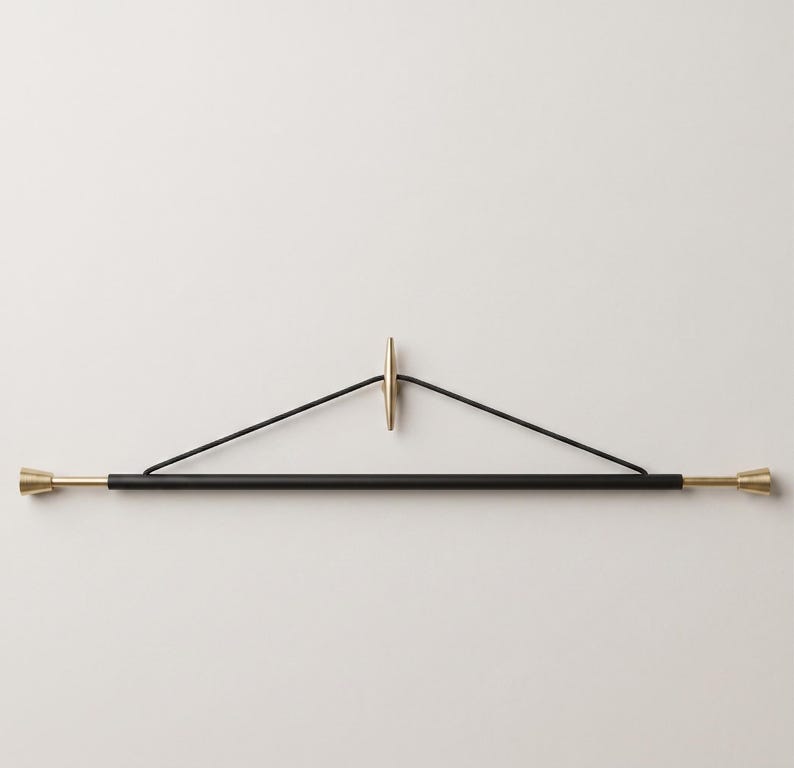
Designed in Hong Kong by AnotherDateNight, with components sourced from specialized Japanese factories that already produce traditional hardware and textile tools. This is not mass-produced retail hardware - it is a hand-finished piece made for a specific purpose.
-
The bar is crafted from rare Purple Sandalwood, a dense hardwood with a smooth, naturally warm tone that pairs with the silk's sheen. The hardware is pure copper - tactile, non-reactive, and visually warm. Together, these materials feel right in Japanese-inspired interiors without looking out of place in contemporary Western rooms.
Key specifications:
-
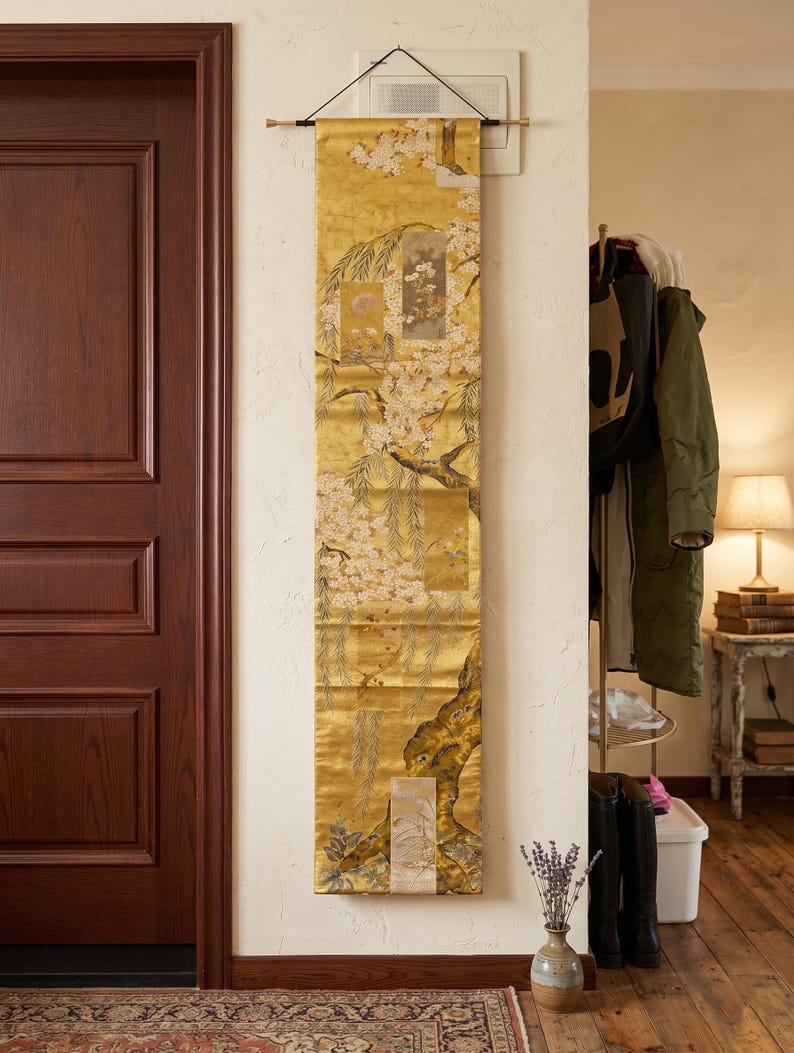
Total length of hanger: 53 cm, suitable for most standard-width obis and narrow wall spaces.
-
Purple Sandalwood hanging section: 40.5 cm, forming the flat bar that supports the textile across its full width.
-
String spacing: 34.5 cm between hanging cords, giving a stable, balanced suspension on the wall.
How it works:
-
The hanger features a twistable mechanism - the bar rotates open so you can slide the obi on flat, then twists back to lock securely. No clips, no pins, no piercing. The perfect setup takes about thirty seconds.
-
This mechanism makes it easy to change out different vintage obis seasonally, aligning with the Japanese idea of adjusting decor with the time of year. Swap a winter pine motif for spring sakura without tools or fuss.
Practical notes for international readers:
-
AnotherDateNight includes U.S. tariffs in the shipping cost, so there are no surprise fees on delivery for American customers.
-
The hanger's compact 53 cm size makes it easy to ship internationally and simple to reposition within the home if you rearrange a room or move to a new space.
The shift from storage to display is small, but the effect on a room - and on the textile's continued life - is profound.
If you own a kimono obi or a collection of vintage obis that have been sitting in a drawer for too long, consider liberating them. The University of Michigan Museum of Art displays 20th-century Nishijin-ori brocade obis with full support and controlled light - your home can echo that same care on a smaller scale. Explore the handcrafted AnotherDateNight Obi Hanger as a way to display your wearable art with the elegance and respect a gallery would give historic silk. These pieces carry stories of Japan woven into every thread. All they need is a wall, a little light, and the right hanger to bring them back to life.