
Sanbun-Himo Guide: How This Slim Cord Elevates Your Kimono Obi
A single narrow cord can quietly transform an entire outfit. Here is everything you need to know about the sanbun himo-what it is, how to wear it, and why it deserves a place in your kimono accessory collection.
Sanbun-Himo Quick Answer (Beginner-Friendly Overview)
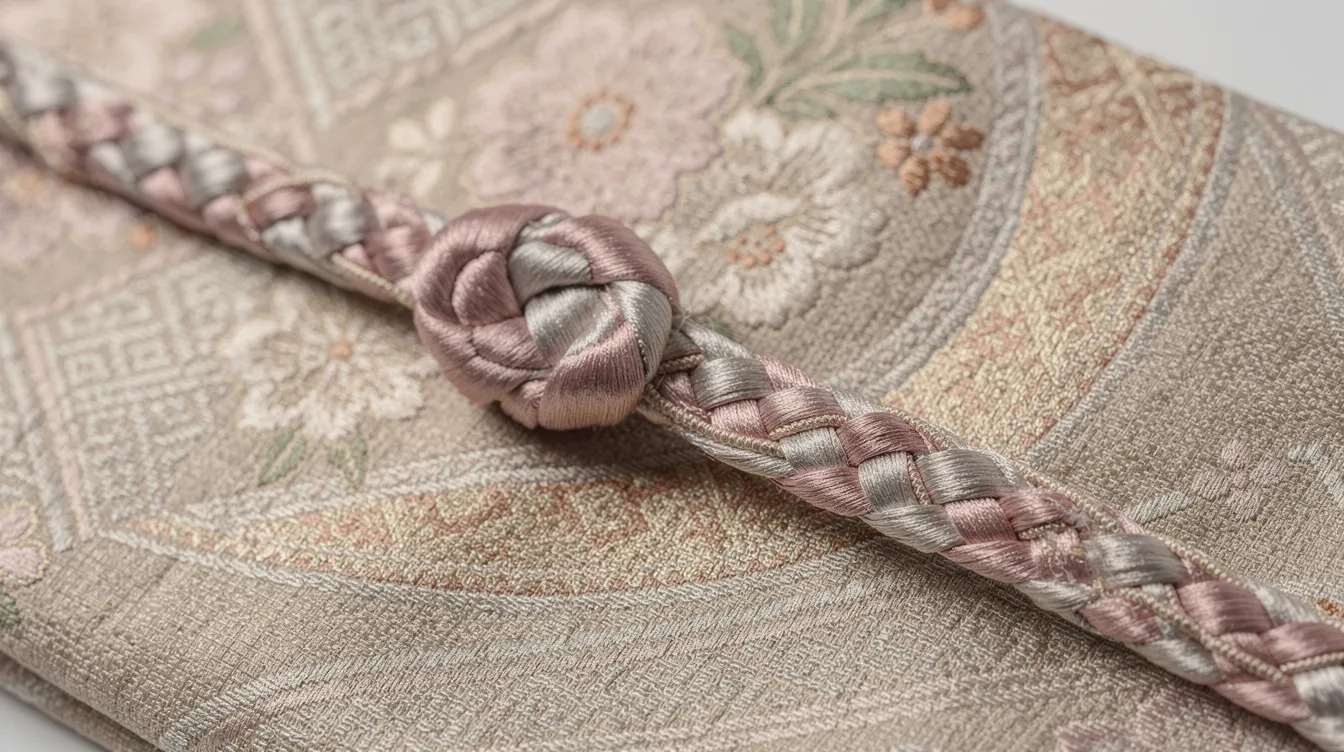
A sanbun himo is a narrow, flat braided cord approximately 9 mm (0.9 cm) wide, designed to hold an obidome brooch at the center of an obi sash. Think of it as a slim stage for a small, decorative piece of jewelry that sits right across the front of your waist.
Sanbun-himo derives its name from three bu, an old Japanese unit of measurement where one bu equals roughly 3 mm. Three bu therefore gives us the cord's signature width of about 9 mm. Unlike a standard obijime, sanbun-himo has plain, clean-cut ends-no tassels, no fringe-so an obidome can slide on and off smoothly without catching.
Most sanbun-himo cords are 125 to 140 cm in length, though some people prefer slightly longer versions for easier tying behind the back. The cord originated from the sanada himo technique, a braiding tradition with deep roots in Japan. Today it offers a beginner-friendly way to add personality to a yukata or casual Japanese kimono without learning complex obi knots.
This article is written from AnotherDateNight's perspective as a store specializing in authentic Japanese traditional apparel and accessories, with the goal of making kimono dressing approachable for everyone.
Sanbun-Himo in Japanese Kimono Styling: Origins, Features, and Materials
The weaving technique behind sanbun-himo dates back to Japan's Warring States period, when flat cords were essential for tying tea ceremony boxes and securing samurai armor. Sanbun-himo has roots in the samurai era and traditional textile techniques that evolved through Edo and Meiji times. The use of sanbun-himo has since transitioned from those practical applications to decorative and artistic uses in kimono fashion, carrying real cultural significance in representing Japanese craftsmanship.
Key physical features at a glance:
-
Width: approximately 9 mm, flat woven body
-
Length: typically 125 to 140 cm
-
Texture: firm yet flexible, sits neatly on the obi surface without digging in
-
Ends: plain, clean-cut or lightly bound-never tasselled
High-quality sanbun-himo is often made from 100% silk, which provides a soft drape and natural grip against the obi. Cotton and rayon versions offer crispness and easy care, making them ideal for summer festivals. Silk grips a hanhaba or nagoya obi more securely, while cotton feels cooler against the skin in warm weather.
Many artisan cords produced in regions such as Kyoto feature subtle kōshi checks, small stripes, or gradation dyeing, yet the design of sanbun-himo emphasizes subtlety so it does not compete with the obidome. This cord is commonly used with casual kimono and yukata, though silk versions with metallic threads can work for semi-formal occasions.
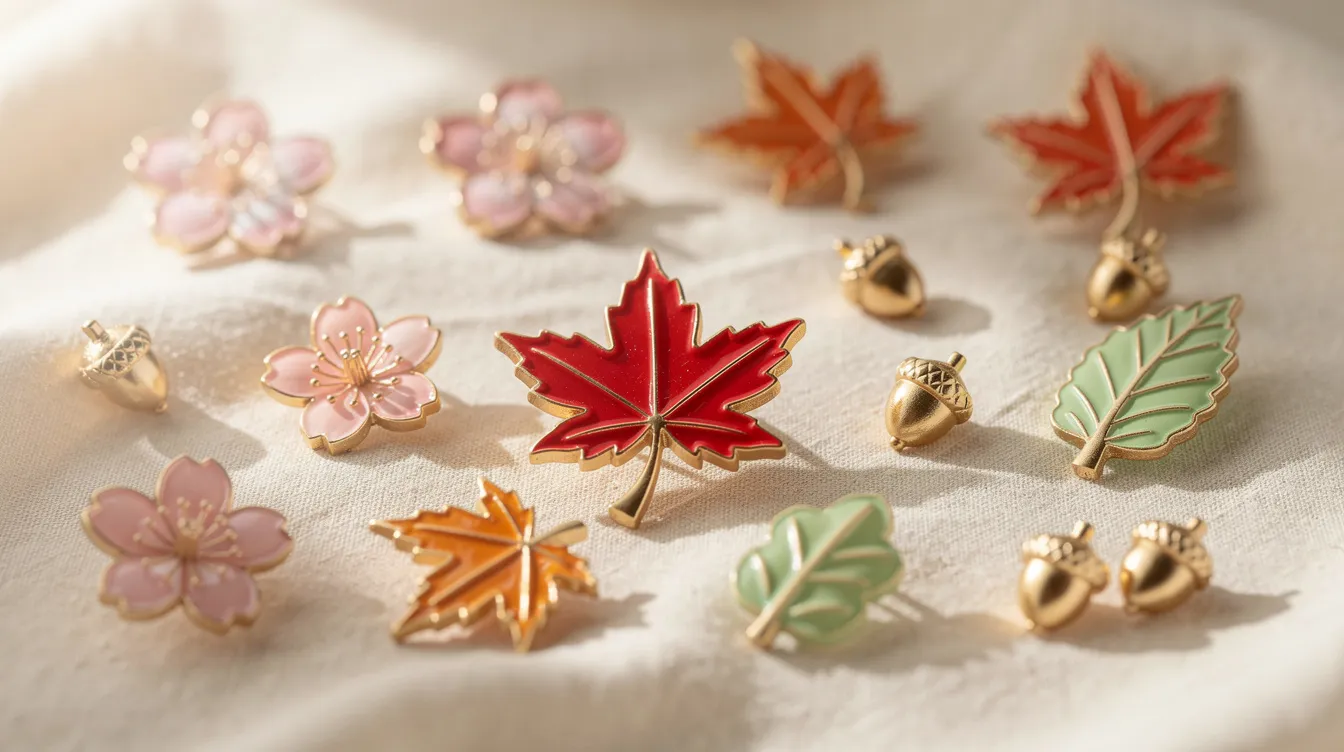
Seasonal pairing examples: an indigo cotton sanbun-himo with a goldfish obidome for summer matsuri, or a muted silk cord with a maple leaf obidome for an October stroll.
Sanbun-Himo vs Standard Obijime: Detailed Comparison for Shoppers
Both sanbun-himo and obijime are cords worn over the obi, but they serve different roles and create distinct visual effects.
|
Feature |
Sanbun-Himo |
Standard Obijime |
|---|---|---|
|
Width |
~0.9 cm (9 mm) |
1.2 to 1.5 cm |
|
Ends |
Plain, clean-cut |
Decorative tassels called fusa |
|
Primary role |
Frame and hold an obidome brooch |
Standalone accent securing obi knot |
|
Reversibility |
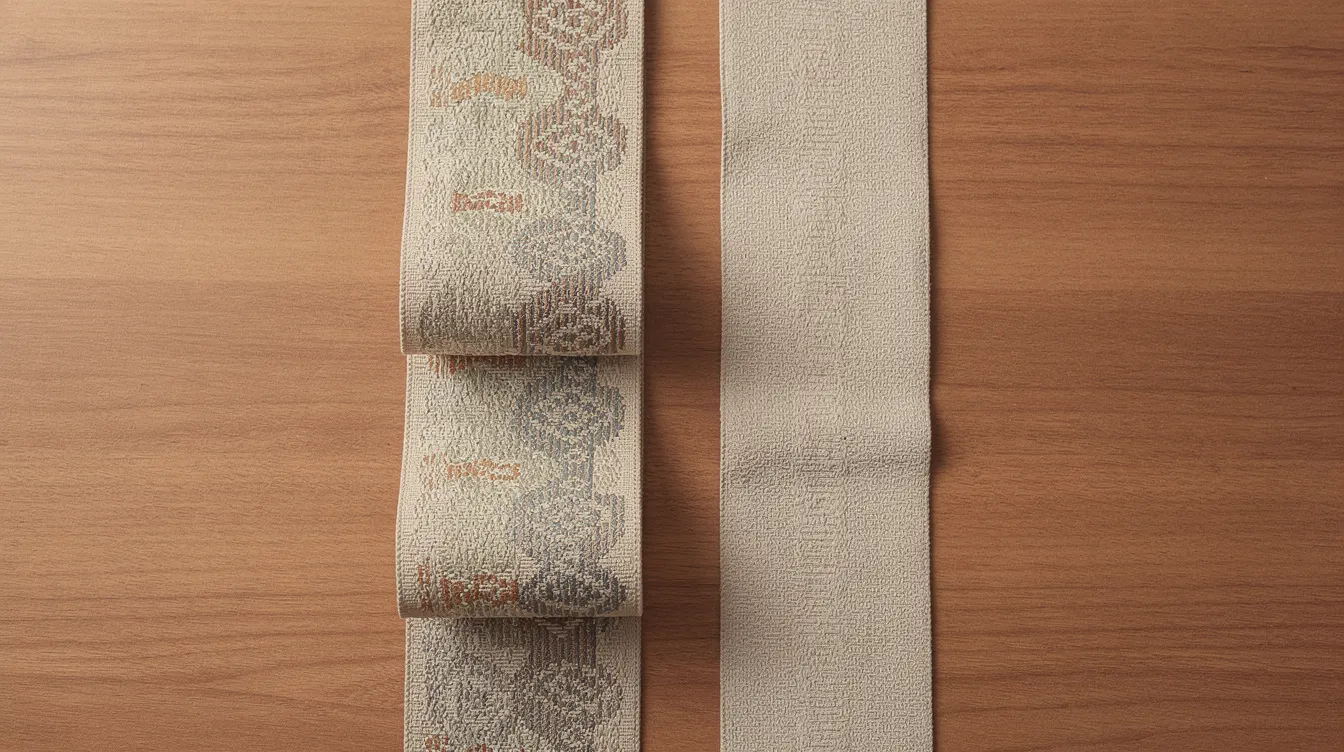
Often reversible with two color faces |
Less commonly reversible |
|
Formality |
Casual to semi-formal |
Semi-formal to formal |
Sanbun-himo is slimmer and intentionally understated. Its plain finished ends let the obidome slide freely, keeping the visual focus entirely on the brooch rather than the cord itself. Many sanbun-himo cords are reversible, featuring two compatible colors or subtly different patterns on each side, so one piece can work across multiple outfit moods.
Choose sanbun-himo plus obidome for playful, casual, or date-night looks-summer festivals, hanami outings, weekend city strolls. Reserve a traditional tasselled obijime for formal ceremonies like weddings or coming-of-age events. AnotherDateNight curates both types but designs sanbun-himo collections specifically around obidome themes so customers can build coordinated sets with ease.
How to Style a Sanbun-Himo with Obi Sash and Obidome (Step-by-Step)
Even if this is your first time dressing in a kimono by yourself, the process is straightforward. Sanbun-himo is primarily used in kimono styling as a decorative cord tied around an obi-here is how to do it.
First, tie your obi sash (a hanhaba obi for yukata or a nagoya obi for casual kimono) securely at the waist. Make sure the front surface is smooth and flat before you add the cord.
Next, slide the obidome brooch onto the sanbun-himo before placing the cord against your body. Position the brooch near the center of the cord's length so it will end up at the middle of your torso once wrapped.
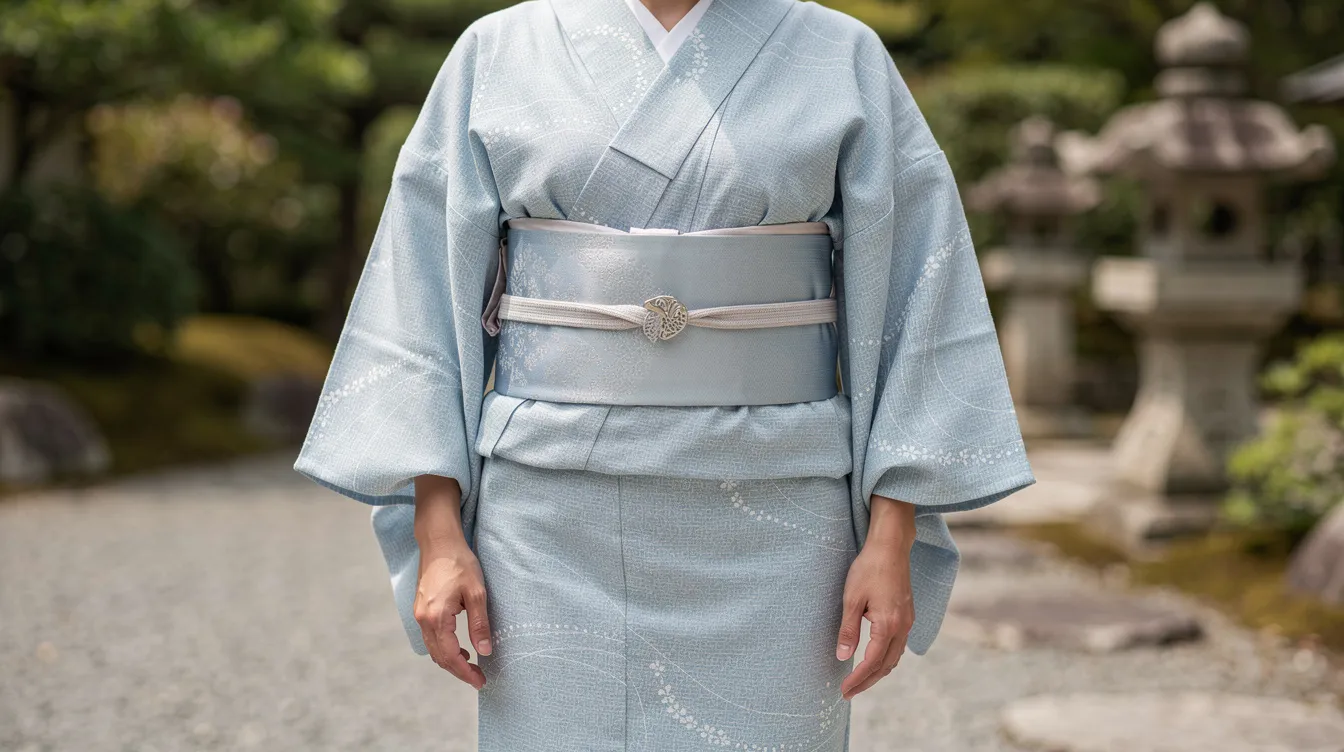
Place the cord horizontally across the center of the front of the obi, roughly at or slightly above the navel. The obidome should sit centered between the side seams of the kimono.
Bring the ends of the sanbun-himo smoothly around your waist, keeping the cord flat and untwisted. At the back, tie a secure square knot (reef knot) and tuck the knot into the upper edge of the obi for a clean rear view. That is all that is needed for a polished look.
For more formal outfits, some wearers layer a standard obijime below and place the sanbun-himo with obidome slightly above it, adding depth without disturbing the main obi knot. When shopping at AnotherDateNight, check each product's length notes to decide whether the cord will wrap once or slightly overlap for your waist measurement.
Styling Ideas, Seasonal Themes, and Benefits of Sanbun-Himo
One cord and a small collection of obidome pieces can create an entirely different look every time you get dressed. Sanbun-himo allows for personalization and seasonal expression, which is a large part of its beauty in contemporary wear.
Popular seasonal obidome themes to find and collect:
-
Spring: cherry blossom or soft pastel motifs for March–April hanami
-
Summer: fireworks, goldfish, or morning glories for July–August festivals
-
Autumn: red maple leaves and persimmons for October–November outings
-
New Year: plum blossoms, cranes, and pine for celebratory gatherings
Select obidome with versatile designs for most occasions, then let a neutral or reversible cord support all of them. A slim, flat cord stays in place, feels comfortable when sitting or walking long distances, and keeps the obidome-not the cord-as the visual focal point.
Concrete ideas for AnotherDateNight customers: pair a navy-and-ivory reversible sanbun-himo with a navy yukata and silver moon obidome for evening dates, or use a soft pink cord with a floral obidome for a daytime café outing. This is an easy, cost-effective way to refresh your outfit without buying many obi sashes.
Sanbun-himo is especially popular with younger people in Japan who want relaxed, personalized looks at festivals and on casual dates-no full formal accessory set required.
Care, Storage, and Choosing Your First Sanbun-Himo with AnotherDateNight
Proper care keeps your cord flat, color-true, and ready for many seasons of use with different obidome brooches.
Choosing your first cord: Pick a versatile color such as ivory, black, or navy, ideally in silk or a silk-blend. A neutral cord will work with a wide range of obi sash designs and yukata prints, giving you maximum flexibility as you build your collection over time.
Daily care after each wear:
-
Gently smooth the cord by hand and allow it to air out away from direct sunlight to prevent fading.
-
Dry flat or loosely coiled-never fold tightly, as this can crease the weave permanently.
-
Store sanbun-himo loosely coiled to avoid creases and distortion.
Cleaning: Avoid machine washing. Spot-clean small marks with a damp cloth and a drop of mild detergent. For serious stains, consult a professional cleaner experienced with kimono textiles. Never soak the cord in water for extended periods.
Obidome storage: Store obidome separately in small fabric pouches or a jewelry case so metal or enamel surfaces do not scratch the cord. Only slide the brooch onto the sanbun-himo when getting dressed.
Ready to add this piece to your wardrobe? Browse AnotherDateNight's handcrafted sanbun-himo cords, seasonal obidome brooches, and coordinated yukata and Japanese kimono sets. Sign up for our newsletter to get styling tips, seasonal drops, and information on new arrivals-then experiment with your own combinations for your next date night or special outing.