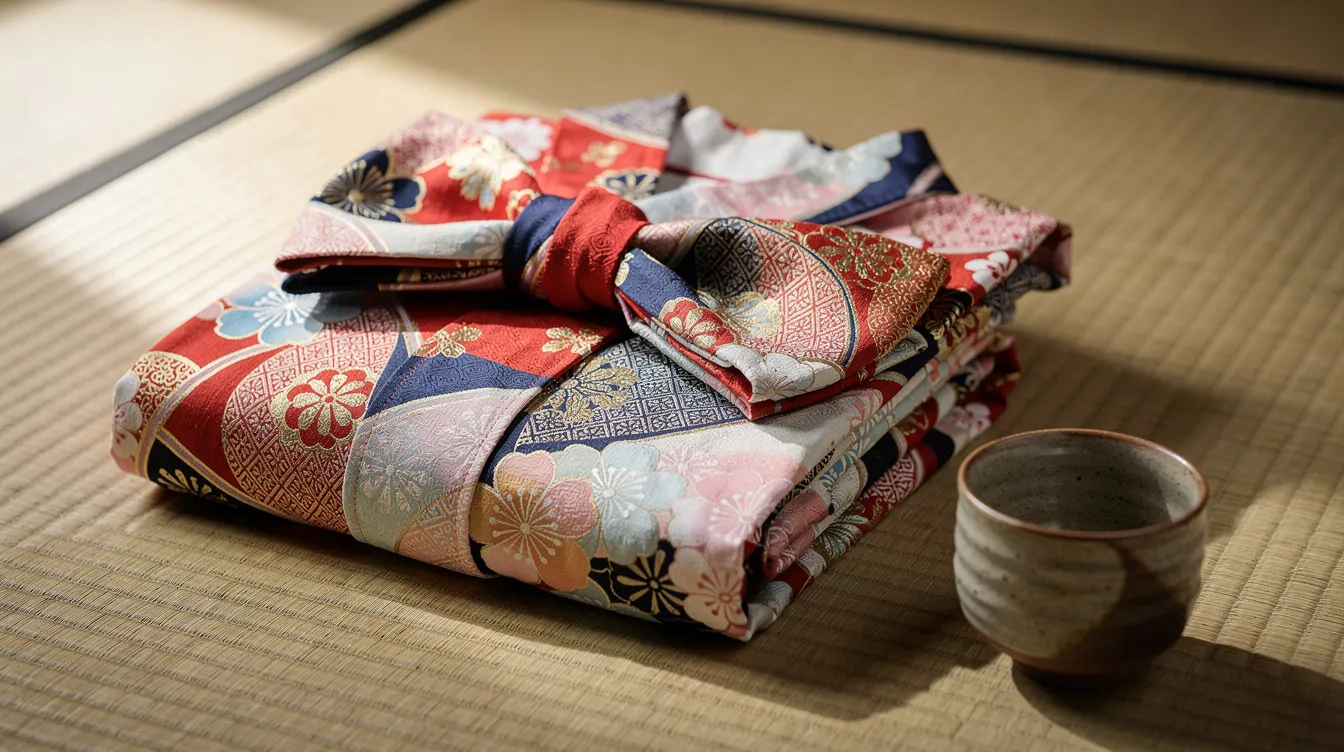

What to Wear at a Ryokan: A Complete Yukata & Etiquette Guide
Planning your first ryokan stay in Japan? One of the most common questions travelers ask is what to wear at a ryokan. We're AnotherDateNight (ADN Kimono Shop), and we've helped thousands of visitors prepare for exactly this moment. Here's everything you need to know, from yukata basics to etiquette you'll actually use.
Quick Start: What to Wear at a Ryokan (Answer First)
Check in usually starts around 3 PM, and you should arrive by 6 PM if dinner is included. Once you reach your room, here's what most people wear for the rest of their ryokan stay:
- Base layer: Underwear or a light t shirt and shorts underneath your yukata for comfort and modesty.
- Ryokan yukata: The cotton robe provided in your guest room - wear it everywhere inside the inn, including hallways, the lobby, and the dining hall.
- Obi sash: A simple flat belt to keep the yukata closed. Tie it at your waist.
- Haori or hanten jacket: An outer robe provided in colder months for extra warmth.
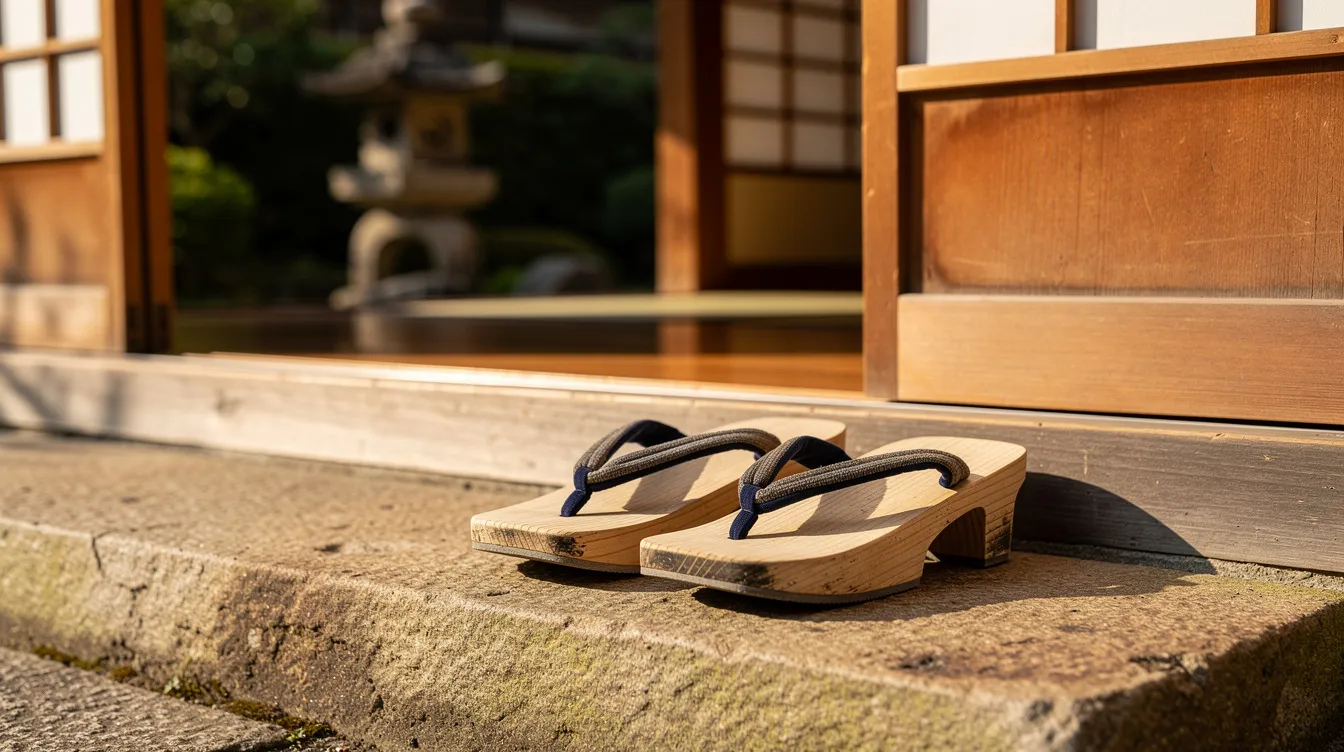
- Footwear: Wear slippers indoors; switch to geta (wooden sandals) for outdoor strolls in an onsen town like Kinosaki Onsen or Kusatsu.
Guests are encouraged to wear a yukata throughout the ryokan premises, including meals. In city ryokans, check with the front desk before walking outside in yukata. Bringing your own stylish yukata set - like ADN's easy-to-wear designs with pre-tied Tsuke Obi - gives you the same comfort but more photogenic results.
The rest of this ryokan guide covers layers, onsen areas, dining, and bad manners to avoid so you can relax and enjoy every moment.
What Is a Ryokan Yukata & What Will Be in Your Room?
A ryokan yukata is a lightweight cotton robe that serves as pyjamas, bathrobe, and loungewear all at once. Yukata is often used as loungewear or sleepwear, and it's usually waiting in your japanese style room when you arrive.
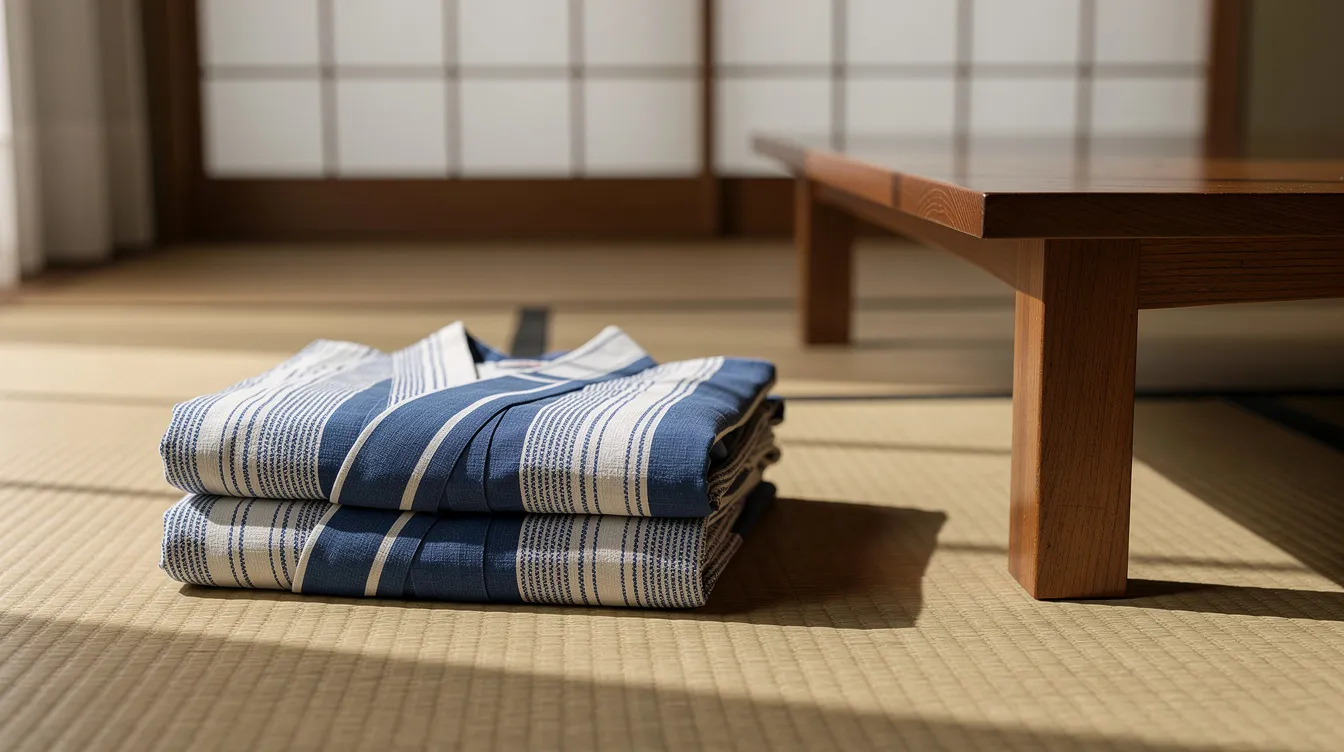
Here's what a typical traditional ryokan provides in the room:
- A folded yukata made of cotton fabric, sometimes in two sizes so you can choose a better fit.
- A simple obi sash for tying.
- A haori or hanten jacket (seasonal), plus thin socks - sometimes tabi-style.
- Basic toiletries and towels, including a small modesty towel (tenugui). Most ryokans provide basic toiletries and towels for guests.
- Futons stored in the room's closet until needed; a room attendant sets out the futon after dinner so you can sleep on tatami.
Yukata are supplied year-round, even though they're technically summer garments. In winter or mountain regions, expect a padded outer robe called a tanzen for warmth.
One tip from ADN: hotel-issued yukata prioritize easy washing and durability - usually plain stripes or solid colors. Personal yukata sets focus on pattern, fit, and styling. Remember, these room yukata are loaned for your stay and must be left behind at check out.
The Golden Rule: How to Wrap Your Ryokan Yukata (Left Over Right)
The single most important rule of ryokan etiquette is this: always wrap the left side over the right side. The left collar should be on top, sitting visibly in front.
Right-over-left is reserved for dressing the deceased at funerals in japanese culture. Wearing it backwards in a dining hall or hot springs town is not just a fashion mistake - it's considered rude and deeply uncomfortable for japanese people around you.
Here's how to get it right every time:
- Slip your arms through the sleeves.
- Hold the robe open and fold the right panel first, pulling it across your body toward your left hip.
- Fold the left panel on top, so the left collar sits in front.
- Secure with the obi sash.
Memory tip: "Left lives on top" or "Left over right for life."
Before leaving the guest room, check each other's collars - especially when traveling as a couple. If you bring your own yukata from ADN, practice wrapping once at home so check in day feels relaxed instead of rushed.
Step-by-Step: How to Put On a Ryokan Yukata & Obi
Whether you're a man or woman visiting an onsen ryokan for the first time, this walkthrough keeps things simple.
- Keep your undergarments or lightweight base layers on.
- Slip your arms into the sleeves and let the robe hang naturally.
- Adjust the hem so it reaches your ankles or just above - shorter makes walking easier.
- Cross the right panel first, then the left panel on top (as covered above).
- For the obi sash: find the middle of the belt, place it against your front, wrap around to the back and back to the front one or two times.
- Pull snug but not tight. Tie a simple knot or bow.
- Women usually position the obi at the natural waist or slightly higher. Men tie it lower, around the right hip area or the lower part of the torso near the hips.
- The knot should sit at center-back or slightly off to one side.
Ryokan obi are simple, flat sashes - nothing like the elaborate formal kimono obi. Perfection is not required for relaxing in your room or heading to dinner.
ADN's pre-tied Tsuke Obi removes knot-tying entirely. Clip it on in seconds and focus on enjoying hot springs instead of wrestling with a belt.
What to Wear Underneath Your Yukata (Comfort & Modesty)
It is completely fine - and recommended - to wear undergarments beneath your ryokan yukata. Undergarments such as a t shirt are recommended beneath the yukata for comfort, especially when walking through shared corridors.
- Warm months: Breathable underwear, a thin camisole or tank top, seamless shorts.
- Cool months: Light thermal layers that aren't bulky - cotton or moisture-wicking blends work well.
- Avoid: Heavy Western pyjamas, which feel hot and awkward in heated rooms near hot springs.
The cotton of a ryokan yukata can shift as you sit on tatami or walk to the onsen, so fitted underlayers help avoid accidental exposure. Women especially find a camisole useful under looser-fitting robes.
In the onsen bathing area itself, full nudity is the norm. Swimwear is not permitted in the onsen - guests bathe nude. The yukata is strictly for before and after bathing, not in the water.
Wearing casual attire is acceptable in ryokans, although yukata is preferred. Many ADN customers choose simple, neutral-toned layers under colorful yukata so straps and waistbands don't distract in photos.
Where You Can Wear Yukata in and Around a Ryokan
Wearing the provided yukata is a key part of ryokan etiquette, and most properties actively encourage it. You can wear a yukata anytime during your stay.
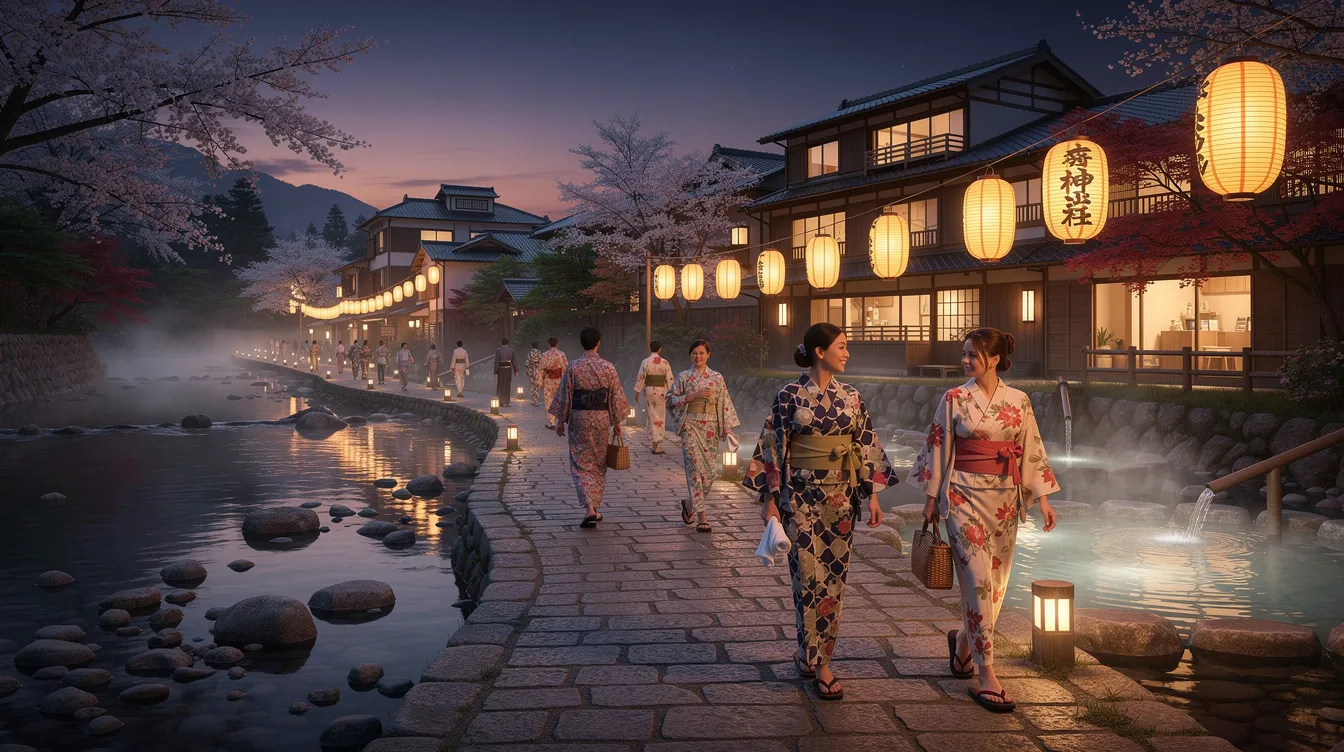
Inside the ryokan:
- Guest room, hallways, lobby, dining hall or restaurant, lounge areas, indoor paths to the communal bath, and souvenir shops.
In traditional onsen towns:
I- n places like Kinosaki Onsen, you'll see guests strolling between hot springs, convenience stores, and riverside paths in yukata, haori, and geta sandals. Some towns even provide a multi-onsen pass for hopping between baths.
In city ryokans:
- Outdoor walking in yukata may feel unusual. Ask at the front desk during check in.
You can wear yukata to dinner and breakfast at most ryokan - this relaxed dress code is standard, not sloppy, especially when kaiseki meals are served in your japanese style room or a shared dining hall.
For visits to shrines, a restaurant outside the ryokan, or formal events, change into regular clothes or a more formal outfit.
Yukata Etiquette in Guest Rooms, Dining Halls, and Onsen Areas
What you wear at a ryokan connects directly to broader etiquette from check in to check out. Here's what matters most in each area.
Guest room:
- Remove shoes before stepping onto tatami mats - only socks or bare feet on tatami flooring. Slippers should not be worn in guest rooms.
- Do not drag luggage on tatami mats to avoid damage; carry it or set it on the raised floor near the entrance.
- Keep the yukata neatly wrapped when the door is open. Don't place luggage in the decorative tokonoma alcove.
Dining hall:
- Dinner is typically served between 6 pm and 7 pm. Traditional ryokan dinner is called Kaiseki Ryori, and kaiseki meals consist of 6 to 15 small dishes, each beautifully served. Punctuality is highly regarded in japanese culture, so arrive on time at dinner time.
- Breakfast usually includes rice, miso soup, and grilled fish - also served in yukata.
- Keep the obi secured and collar reasonably closed.
Onsen corridors and changing rooms:
- Wear your yukata over underlayers until the gender-separated locker area, where you undress fully.
- Towels and baskets are often provided, but yukata stays outside the bath.
- After dinner, your room attendant sets out the futon. Futons are thicker than Western mattresses, and bedding includes a thick duvet and pillow. Guests can leave used futons unmade until morning.
Small details:
- Use restroom slippers only in restrooms - restroom slippers must not be worn outside restrooms.
- Don't hang wet towels on shoji screens or door frames.
Bad Manners to Avoid: Common Yukata & Ryokan Clothing Mistakes
Japanese hosts understand foreign guests are learning. But avoiding these specific mistakes shows genuine respect for the tradition.
Clothing mistakes:
- Crossing the yukata right-over-left - this is the single worst etiquette error.
- Letting the obi dangle so loosely the yukata gapes open, especially at meals.
- Letting the hem trail on the floor or get soaked in the changing area.
Footwear mistakes:
- Wearing outdoor shoes on tatami. Remove shoes at the entrance without exception.
- Dragging luggage across tatami instead of carrying it.
- Wearing restroom slippers back into the guest room or dining hall.
Onsen mistakes:
- Entering the communal bath wearing underwear or swimwear. Tattoo visibility may also restrict access to communal baths in some ryokans - check with ryokan staff beforehand.
- Bringing your yukata into the bathing area or wrapping a large towel around your body in the pool.
Timing mistakes:
- Arriving to kaiseki dinner late in disheveled travel clothes instead of changing into the provided yukata.
- Wandering into the dining hall in half-open clothing that looks more like sleepwear.
When in doubt, observe what local guests are doing and follow their lead. You can also ask ryokan staff at the front desk - many properties are accustomed to helping international visitors. A quick tip: prepare by reading guides like this before you arrive, and you won't need to worry.
Bringing Your Own Yukata vs. Using the Ryokan's (ADN Perspective)
Most travelers first encounter yukata through the simple robes at an onsen ryokan. These are perfectly fine for relaxing, bathing, and sleeping through the night.
So why do some guests bring their own? Here are practical reasons:
-
Better fit: Ryokan yukata come in limited sizes. Taller or curvier guests may find hems too short or sleeves awkward. According to Ryokan Finder, personal yukata sets sold at shops typically range from ¥3,000 to ¥15,000 depending on fabric and design.
-
Style: Most ryokan provide one or two unisex patterns across many rooms. ADN's yukata offer coordinated colors, seasonal motifs, and designs that photograph beautifully - especially in places like Kinosaki Onsen's lantern-lit streets.
-
Ease of use: ADN's pre-tied Tsuke Obi lets first-time wearers secure a neat, stylish bow in seconds - no knot-learning required before a hot spring session or kaiseki dinner.
-
Keepsake value: Ryokan robes must be returned at check out. Your ADN yukata comes home with you as a memento to wear again.
Packing strategy: Bring one personal yukata set from ADN for town strolls and photos. Use the ryokan's plain yukata as a backup or for late-night lounging.
Special Situations: Mixed-Group Trips, Families, and Seasonal Stays
What you wear at a ryokan can shift depending on who you're traveling with and the season.
Couples:
- Coordinate yukata colors or obi accents for photos - ADN sets make this easy. Ensure both partners know the left-over-right rule so you can check each other before leaving the room.
Families:
- Most ryokan provide smaller yukata for children, but sizes may be limited. Bringing a child-sized yukata or soft belt helps if your child falls between standard sizes.
Mixed-gender groups:
- Lightweight base layers under yukata help with modesty. Careful wrapping matters when sitting on tatami together.
Seasonal adjustments:
- Summer: Airy cotton underlayers, minimal socks. Even the best ryokan keep rooms well-ventilated.
- Winter: Layered socks, a haori jacket over the yukata, and a thin thermal top - especially in snowy regions. Modern ryokans in mountain areas often provide heated corridors, but outdoor walks between baths require warm layers.
Some ryokans in remote areas run a shuttle bus from the nearest train station. Confirm transportation, and also check whether properties accept credit cards or prefer cash - smaller traditional japanese ryokan sometimes operate on cash only. Keep your room key with you when walking around town, and carry a small amount of cash for vending machines or local shops.
Wrapping Up Your Ryokan Stay: Check-Out, Souvenirs, and Next Steps
Before check out, most ryokan expect you to return all loaned clothing - yukata, obi, haori, slippers - either folded in the guest room or placed in a designated basket.
- If you loved the ryokan yukata design, many properties have a small shop near the lobby selling similar robes, towels, or hot spring-themed souvenirs. You'll get a taste of traditional japanese clothing to bring home.
- Travel photos in ryokan yukata are wonderful keepsakes, but the garments themselves stay behind. This is exactly why frequent visitors eventually invest in their own reusable yukata.
Your next step: Browse AnotherDateNight's curated yukata collections, pre-tied Tsuke Obi, and accessories before your trip. Arrive at check in already confident about what to wear, so you can spend your energy on what actually matters - soaking in onsen, savoring kaiseki, and making memories on tatami.
Remember: ryokan hosts are kind, and a respectful attitude matters more than perfect fashion. With a bit of preparation and the right yukata, you'll fully enjoy every hot spring bath, every tatami room, and every beautifully served meal.