

Yukata: Your Ultimate Guide to Stylish Summer Festival Dressing in Japan
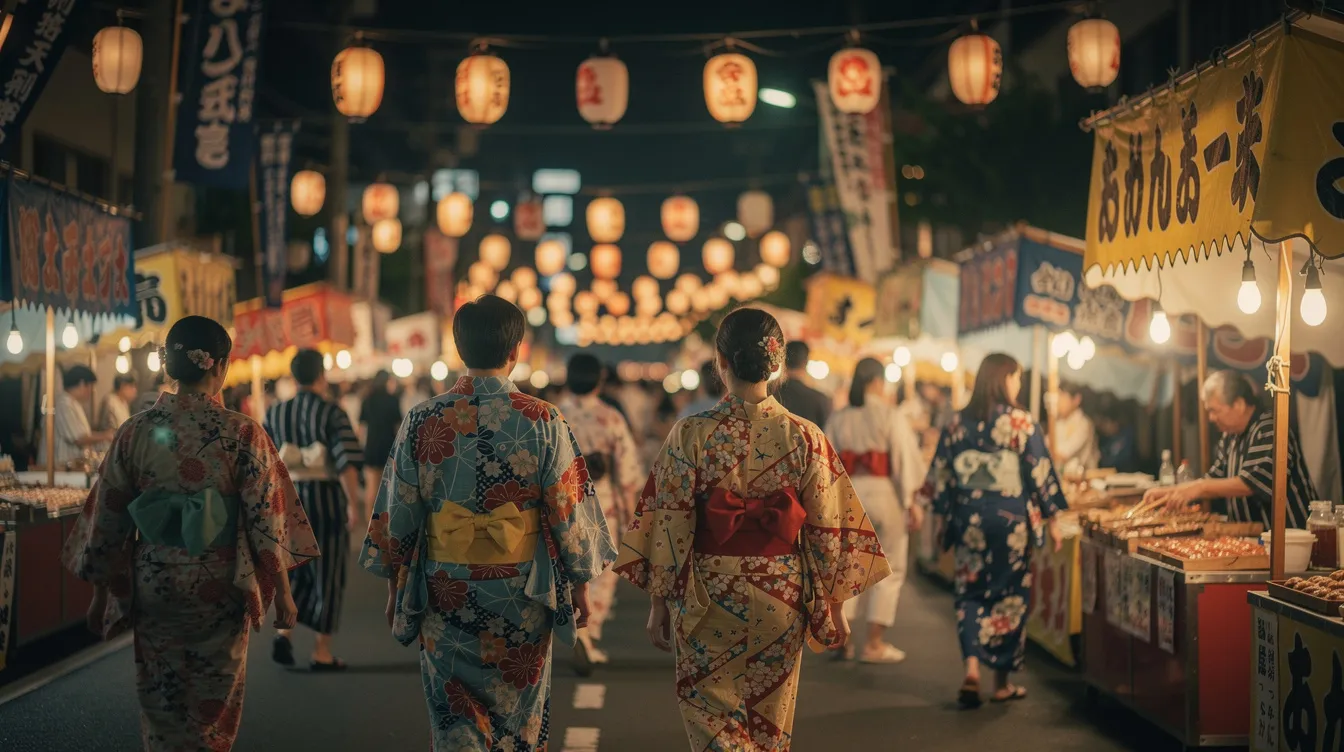
There is a special moment in japan when the lanterns switch on, drums begin in the distance, and the streets fill with cotton robes, wooden sandals, and the scent of grilled food. For international travelers, wearing a yukata is one of the most stylish ways to step into that summer rhythm with confidence, comfort, and respect.
Answer First: What is a Yukata & Why It’s Perfect for Summer Festivals?
A yukata is a lightweight, casual kimono-style robe worn especially to a japanese summer festival, a fireworks show, or an evening stroll through an onsen town. It is usually a single-layer, unlined cotton or cotton-blend garment, secured with an obi sash and paired with sandals and minimal accessories.
Yukata are typically made of cotton and are lighter than kimono, making them suitable for warm weather and comfortable for casual wear. They are the go-to outfit for summer festivals, fireworks displays, and outdoor summer parties. Putting on a yukata with matching accessories is a classic rite of passage for summer events like Bon Odori and hanabi.
Yukata carry a rich history: their ancestor, the yukatabira, began as a bathing cloth for nobles, then evolved during the edo period into casual summer wear. Yukata allow commoners to participate in Japanese historical and aesthetic customs, whereas formal kimonos are typically reserved for special occasions. Wearing a yukata is a way to embrace and celebrate traditional summer aesthetics in Japan.
You will see yukata at gion matsuri in Kyoto, the aomori nebuta festival, Tanabata star festival events, and local fireworks nights. At ADN Kimono, also known as AnotherDateNight or ADN, we specialize in authentic yet easy-to-wear yukata and kimono styling for travelers. Our All-in-One Yukata Set makes you festival-ready without complex dressing.
Yukata vs. Kimono: Key Differences for Travelers
All yukata are kimono-style garments, but not all kimono are yukata. The key difference is purpose: yukata are casual, breathable, and built for summer, while formal kimono are structured, layered, and worn for ceremonies.
|
Feature |
Yukata |
Kimono |
|---|---|---|
|
Fabric |
Cotton, cotton-linen, breathable blends |
Often silk, brocade, lined fabrics |
|
Season |
late spring to early autumn, especially july and august |
year-round, depending on formality |
|
Use |
japanese festivals, onsen, ryokan stays, fireworks |
weddings, tea gatherings, coming-of-age |
|
Ease |
fewer layers, easier for beginners |
more accessories and dressing skill |
Yukata are traditionally worn in casual settings, especially during summer festivals and at ryokan, where they are provided for guests to wear during their stay. If your trip includes Kinosaki Onsen, a city matsuri, or a romantic date night by fireworks, prioritize yukata over formal kimono.
Best Places in Japan to Enjoy a Yukata Experience
Imagine geta clacking on stone, lanterns reflected in water, and warm night air moving through your sleeves. A yukata experience is not just clothing; it is atmosphere, movement, and belonging.
Kinosaki Onsen is renowned for its yukata experience, where visitors can stroll around the town in traditional attire, enhancing the nostalgic atmosphere of the hot spring town. This onsen town has seven public baths, willow-lined canals, and ryokan that make wandering in yukata feel storybook-like. In Kinosaki Onsen, most accommodations provide guests with a yukata to wear during their stay, allowing them to immerse themselves in the local culture. Visitors to Kinosaki Onsen can rent yukata from local shops, which often include accessories like geta wooden sandals and obi sash, making it easy to experience traditional Japanese culture.
Kyoto’s gion matsuri is celebrated in July, when streets around Shijō and Karasuma close, food stalls appear, and yukata-clad crowds gather around magnificent floats. The Aomori Nebuta Festival, held from August 2 to 7 in aomori city, aomori prefecture, features large floats adorned with paper mâché characters and attracts nearly 2.5 million visitors each year; the main draw is the glowing night parades with musicians, dancers, and drums.
Sendai’s Tanabata Matsuri, celebrated from August 6 to 8, is known for its elaborate decorations and commemorates the meeting of two stars, Orihime and Hikoboshi, who can only reunite once a year across the milky way. Other summer festivals include awa odori in Tokushima, Tenjin Matsuri in Osaka, and regional hanabi along rivers and bays. Prepare before you visit: explore ADN’s All-in-One Yukata Sets online before peak styles sell out.
How to Choose a Yukata: Colors, Patterns, and Fit
From ADN’s styling perspective, choosing a yukata is about comfort, personality, and harmony with the festival mood. Indigo, navy, and white feel cool and traditional for Obon, onsen evenings, and quieter festivities. Cherry red, sunflower yellow, turquoise, and other colorful shades are perfect for modern festivals, dance events, and bright fireworks.
Motifs matter. Morning glories evoke early summer; hydrangeas suit june; goldfish, flowing water, and fireworks bursts feel playful and cooling. High-contrast prints stand out beautifully at night, while soft pastels glow at sunset by rivers.
Fit should be easy: the yukata should reach the ankles before adjustment, with sleeves and body wide enough for walking, games, food, and dance. Traditionally, men’s styles were darker and simpler, while young women often wore brighter designs, but ADN encourages all ages to choose what feels authentic, regardless of gender norms.
CTA: explore ADN’s curated style sets for gion matsuri, aomori nebuta festival, or a romantic hanabi date.
Step-by-Step: How to Wear a Yukata (Made Easy)
First-time wearer? With practice, you can dress in 10–15 minutes. You need the yukata robe, Koshihimo tie, obi, Obijime if used, and sandals such as geta or zori.
Start with light undergarments. Put your arms through the sleeves and center the back seam. When wearing a yukata, it is important to understand instructions such as “wrap the right side over the left side”: the right panel goes against the body first, then the left panel closes over it. The visible rule is left over right for the living; right-over-left is reserved for dressing the deceased, so avoid reversing it. Smooth the front, adjust the length, and secure it with Koshihimo.
Position the obi at the waist for women’s styling or nearer the hips for men’s styling; it should feel snug, not restrictive. Avoid knots sitting awkwardly on the right hip unless your style requires it. ADN’s Pre-Tied Heko Obi is a soft, airy sash with a flawless pre-formed bow that wraps and fastens easily, eliminating heat and the struggle of traditional tying.
ADN’s All-in-One Yukata Set includes the Yukata garment, Koshihimo, Obijime, stylish traditional Sandals, and a gorgeous Pre-Tied Heko Obi. Our online shop also pairs sets with beginner-friendly dressing guidance.

Common Yukata Mistakes & How to Avoid Fashion Faux Pas
Small details separate “tourist costume” from chic, respectful festival style. Always double-check the wrap direction in a mirror: visible left side over right for everyday wear.
Keep the neckline neat, the chest secure, and the collar slightly lifted at the back. To prevent the hem opening while walking, climbing stairs, or dancing, secure the bottom overlap firmly with Koshihimo and keep the hem just above the ankles. Walk with smaller steps to maintain the silhouette.
If you want to know more about kimono wearing and secret tips, please see our article:
Whether you are planning to wander through the lantern-lit canals of Kinosaki, join the energetic pulse of the Aomori Nebuta Festival, or simply enjoy a quiet evening watching fireworks by the river, wearing a yukata transforms your trip from a standard vacation into a truly immersive experience.
It is more than just a piece of clothing; it is a way to honor the artistry of Japanese summer and carry a piece of its history with you. We hope this guide empowers you to step out with grace and confidence. Once you’ve mastered the basics, all that’s left to do is embrace the rhythm of the festival—so slip into your favorite yukata, step into your geta, and go make some unforgettable summer memories.