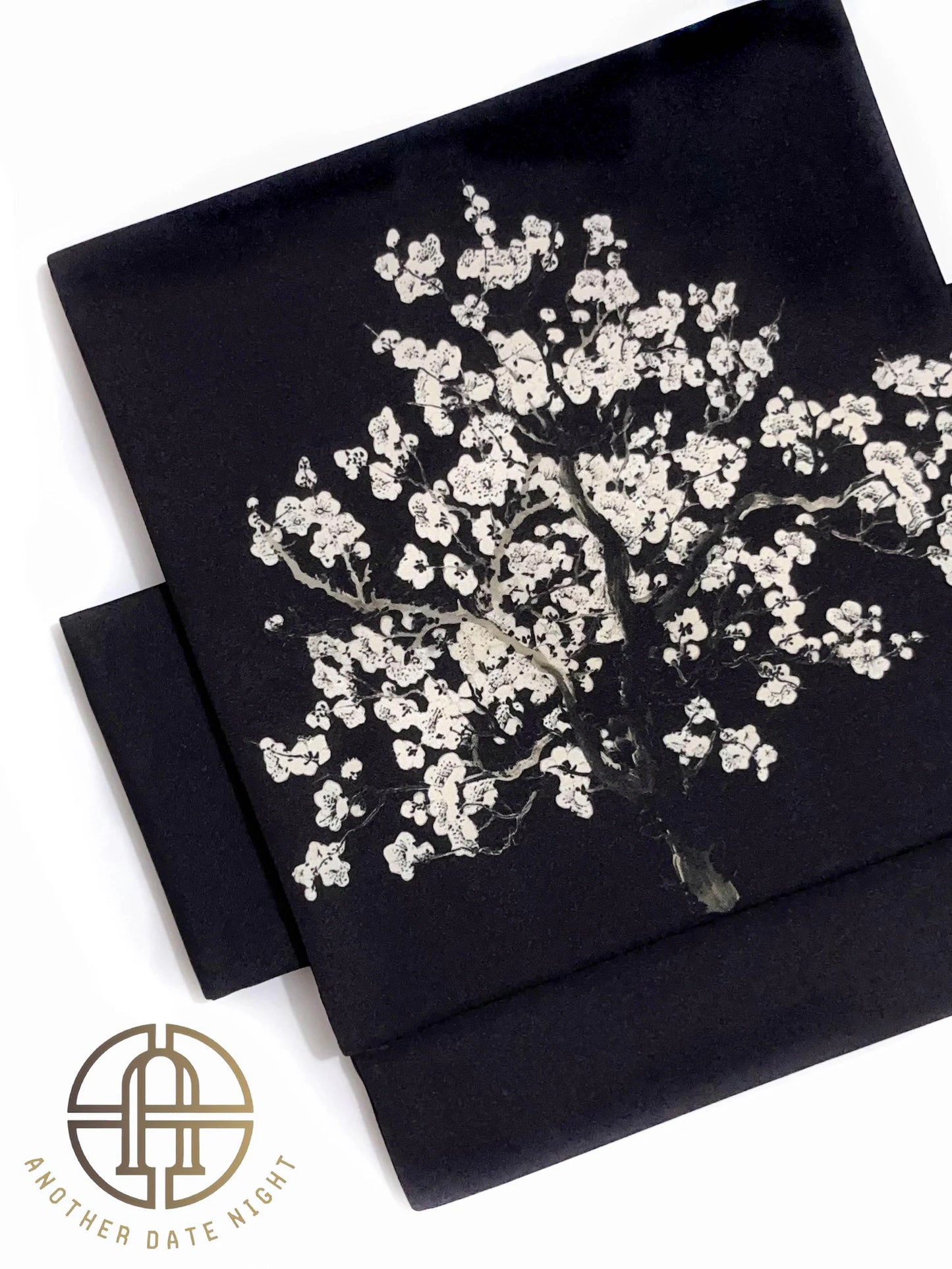


Japanese Plum Blossom Pre-Tied Nagoya Obi, 5-Minute Taiko Knot, Floral Tsuke Obi, Ideal Tea Ceremony Obi
Japanese Plum Blossom Pre-Tied Nagoya Obi, 5-Minute Taiko Knot, Floral Tsuke Obi, Ideal Tea Ceremony Obi
Couldn't load pickup availability
🐾 How to Wear: Taiko Knot Tsuke Obi (Pre-tied Obi) Tutorial Video
https://youtube.com/shorts/wz4FFP73k8U?si=K5YHS4ur2Wh7SEsE
🐾 Product Details:
🎎Type: Double-Layer Taiko Knot Tsuke Obi
➡️Material: 100% Polyester – durable, wrinkle-resistant, & stain-resistant
➡️Taiko Drum Dimensions: 28 cm (H) × 31 cm (W)
➡️Full Height: 34 cm
➡️Sash Maximum Width: 165 cm, suitable for waist circumferences up to 165 cm
🐾 Why You’ll Love Our Tsuke Obi:
💜 Easiest Obi Dressing Ever: Ready in just 5–10 minutes
Traditional Obi Knot: ⏱️⏳40–60 mins for beginners, with struggles, re-wrapping, frustration, stress😵💫
vs
Our Tsuke Obi😎:
✅ 5–10 mins set up
✅ Faster than brewing your coffee ☕️
✅ Effortless and perfect shape
💜 Multiple Looks in One: Depending on how you tie it—using the front or back side, or wrapping right-over-left or left-over-right—different patterns will show.
💜 Amazingly Affordable:
Premium quality, brand new (no smells or signs of use), easy to wear — cheaper than vintage obi!
🐾 Occasions for the Double-Layer Taiko Knot (Nijūdaiko Musubi)
The double-layer taiko knot is an enhanced version of the classic taiko knot, featuring two layers for a fuller, more refined appearance. This versatile knot suits a wide range of occasions, from casual outings to semi-formal events, and can even approach formal settings when paired with the right kimono. Best for:
🌸 Semi-Formal/Formal Events:
- Tea ceremonies
- Cultural shows or exhibitions (theater, art galleries)
- Family gatherings (birthdays, small ceremonies) – polished yet approachable
🌸 Everyday/Casual Outings:
- Dining, casual parties, or outings with friends
Pairs well with many kimono types: hōmongi, tsukesage, iromuji, iro-tomesode, komon, summer kimono (usumono), tsumugi.
🦋 About the Design
Plum blossom (ume in Japanese) holds profound cultural significance in Japan, symbolizing resilience, perseverance, and hope. Blooming in late winter or early spring, often amidst snow, it represents the ability to endure hardship and heralds the arrival of spring, embodying renewal and optimism. Its delicate yet vibrant flowers are celebrated for their beauty and fragrance, inspiring art, poetry, and festivals.
In Japanese culture, plum blossoms are associated with:
- Strength and Resilience: Their early bloom symbolizes overcoming adversity, as they thrive in cold conditions.
- Purity and Nobility: The flower's understated elegance is admired in traditional aesthetics, often linked to purity and grace.
- Cultural Traditions: Plum blossoms appear in waka and haiku poetry, paintings, and ikebana (flower arrangements). They are also a motif in kimono designs and tea ceremonies.
- Festivals: Ume matsuri (plum blossom festivals) are held across Japan, such as at Yushima Tenmangu Shrine in Tokyo, where people gather to admire blooms and pray for academic success.
- Symbolism in Shinto and Samurai Culture: The plum blossom is linked to spiritual purity in Shinto and was a favored symbol among samurai for its resilience and understated beauty.
While cherry blossoms may be more widely recognized today, plum blossoms have been loved since ancient times and remain a powerful emblem of hope and inner strength. We hope you enjoy wearing this obi, which carries with it a rich layer of Japanese culture and meaning.
Share