

How to Wear Geta with Yukata: A Complete Styling Guide by ADN Kimono
Introduction: From Simple Yukata to Complete Summer Look
A yukata on its own is a beautiful garment, but it only becomes a complete outfit once you add the right accessories. Geta sandals, a small traditional bag, a well-chosen obi, and a hairpiece can transform a simple cotton robe into the kind of look that turns heads at any matsuri or fireworks display. At ADN Kimono, we help beginners navigate this process every summer, and this guide distills everything we've learned into one practical resource.
First, a quick distinction. A yukata is typically worn in the summer months-a light, single-layered robe made from lightweight cotton fabric, paired with simple accessories like geta and an obi sash. A kimono, by contrast, is often worn during formal ceremonies and can be made from silk and other luxurious fabrics. A kimono requires more elaborate accessories than a yukata, including layered undergarment pieces, formal obi styles, and different footwear. Think of yukata as the casual, breezy cousin in the world of traditional japanese clothing.
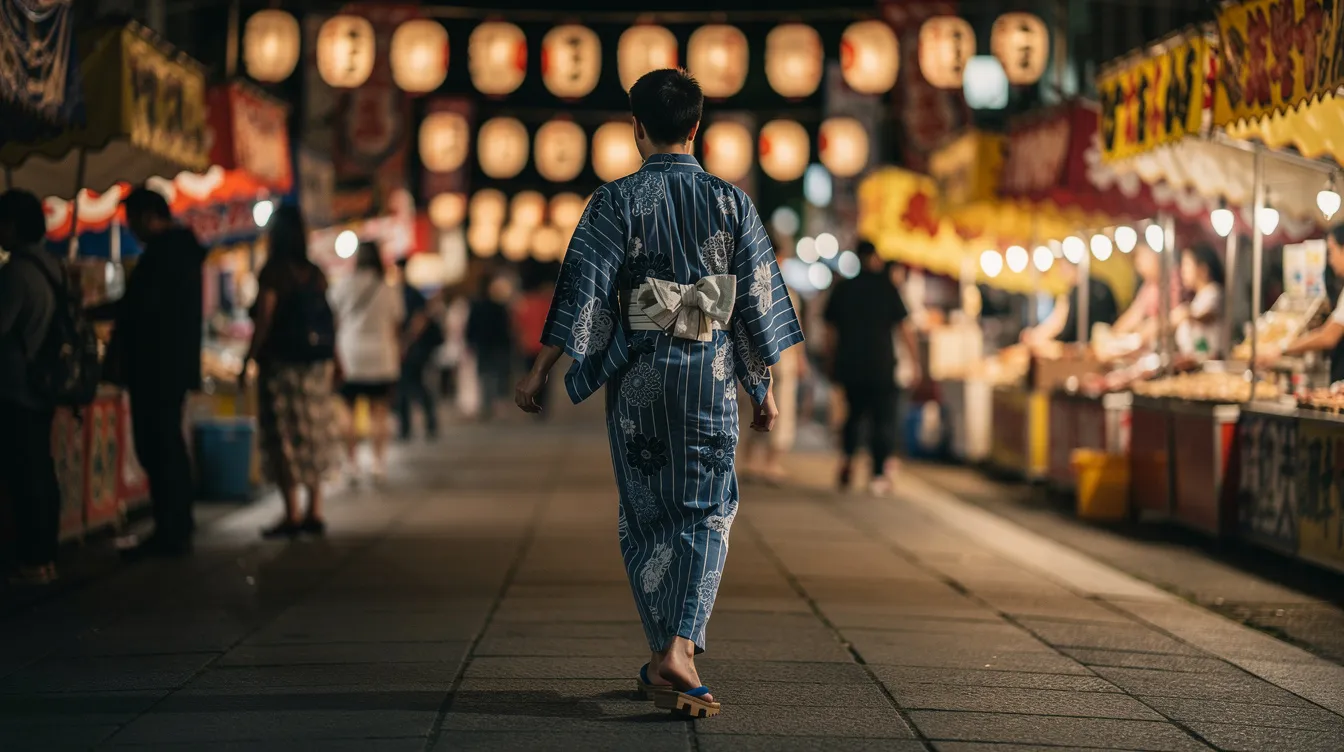
So what exactly are geta? They are wooden sandals commonly paired with yukata-elevated platforms with a fabric thong that passes between the toes. Unlike sneakers, flip flops, or western clothing staples, geta create a distinctive silhouette and a satisfying sound against pavement. Yukata are typically worn with geta sandals, and obi belts are essential accessories for yukata. In this guide, written from the perspective of an expert stylist at ADN Kimono, we will cover how to wear geta with yukata, how to walk comfortably, and how to coordinate bags, hairpieces, and colors into one harmonious look.
Understanding Geta: Traditional Japanese Footwear for Yukata
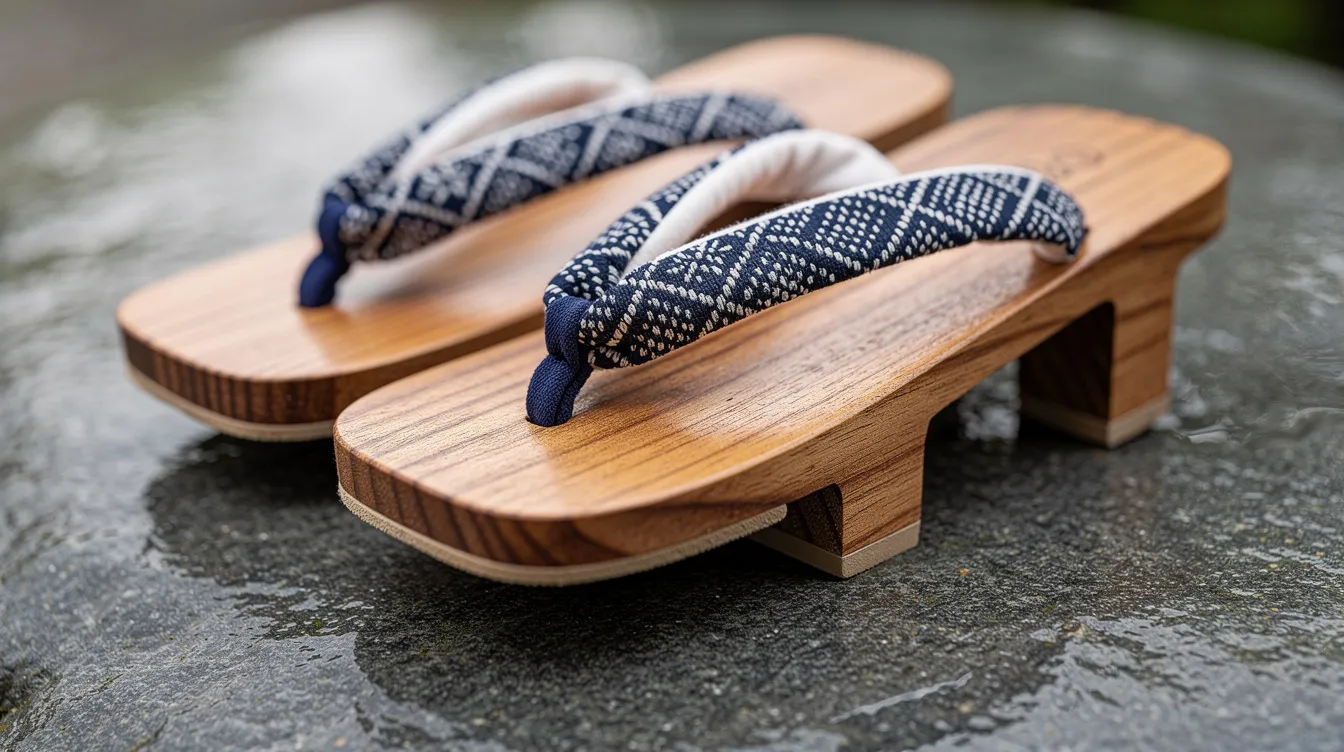
Geta are traditional japanese footwear consisting of three elements: a solid wood platform called the dai, raised supporting blocks called ha (the "teeth"), and a strap called the hanao that sits between the big toe and second toe. Geta are considered casual footwear appropriate for summer festivals and fireworks displays-not for formal events or special occasions.
Here are the common geta styles you will see paired with yukata:
- Koma-geta: The standard two-toothed design with moderate height. This is the most commonly worn style for festival outings and the classic shape most people picture.
- Ukon-geta: A lower-profile, modern geta with wider, rubber soles attached underneath. Ideal for beginners who want arch support and stability on city streets.
- Senryou-geta: Features a sloped front tooth for easier forward walking. A forgiving style from first wear, perfect for anyone nervous about balance.
- Pokkuri/Okobo: Block-platform geta with no teeth, historically associated with apprentice geisha (maiko). Dramatic and tall, but less practical for long walks.
Geta are often made from lightweight paulownia wood, prized in Japan for its moisture resistance and soft grain. Some styles feature lacquered finishes for a glossy look, while others use natural wood for a rustic feel.
Geta vs. zori: Zori sandals are too formal for yukata wear. Zori are flatter sandals typically paired with formal kimono and tabi socks for formal occasions and formal events. Geta are typically worn without socks in summer, and yukata can be worn without tabi socks during summer-bare feet are the norm when the weather is warm.
How to Choose the Right Geta for Your Yukata
If geta feel unfamiliar compared to your usual shoes, that is completely expected. They are nothing like western sandals or thongs, and the fit works differently. Here is what to know.
Sizing and the Heel Overhang Rule
Geta should be sized slightly smaller than your actual foot size. Your heel should hang off the back of the geta by about 1 to 2 centimeters-this is intentional, not a mistake. It looks elegant, stabilizes your walking, and is the traditional standard across Japan.
- Women: Typical dai length ranges from 23–25 cm. Check the product's dai measurement rather than relying on EU or US size conversions.
- Men: Typical dai length ranges from 25–27 cm. The same advice applies-measure in centimeters.
The design of the geta encourages upright posture and better balance, so trust the shape even if it feels different at first.
Height, Teeth, and Soles
For first-time wearers, choose geta with lower ha-around 3–4 cm in height. Wider teeth provide more stability. Modern geta often include hidden rubber soles under the ha for grip, which is especially useful on city pavement or near rivers and shrines. Senryou-geta have a sloped front tooth for easier walking, making them another strong beginner pick.
Strap (Hanao) Comfort
The strap hanao should not be too tight; allow about a finger width of space between the strap and the top of your foot. Look for:
- Soft cotton or velvet-lined hanao for sensitive skin
- Thicker, padded straps for long festival nights
- Avoid stiff synthetic straps if this is your first pair
Matching Geta to Your Yukata
Style coordination matters. Plain natural wood geta with subtle hanao suit classic indigo or monochrome yukata. More decorative straps-floral patterns, bold colors, intricate designs-pair well with colorful printed yukata. The shape and finish of the dai also plays a role: lacquered wood reads dressier, while matte paulownia feels casual and airy.
ADN Kimono curates sets where yukata, obi, and geta straps are pre-coordinated, removing guesswork for beginners who want a polished look without the stress.
How to Wear and Walk in Geta Comfortably
This is the section that answers the core question: how to wear geta with yukata so that you actually enjoy the experience. The good news is that comfort comes quickly with a few adjustments to how you move.
Putting On Geta
- Slide your toes into the hanao, seating the strap snugly between your big toe and second toe.
- Let your foot relax so that weight rests over the front half of the dai.
- Your heel will naturally extend 1–2 cm beyond the back edge. This is correct.
- Check that the strap is centered and not twisted to one side.
Walking Technique
Short strides are recommended when walking in geta to maintain balance. Wearing a yukata also requires a shorter gait to prevent the hem from dragging on the ground. Walking in geta uses a toe-to-heel motion while stepping for comfort-land on the front of the dai first, then let the heel follow naturally. Keep your ankles flexible rather than stomping flat-footed.
The gentle "clop-clop" sound-sometimes called karankoron-is completely normal and part of the charm. It is one of the signature sounds of a Japanese summer evening.
Preventing Blisters
- Wear thin tabi socks or toe socks if your skin is sensitive, especially on first wear
- Apply a small strip of medical tape or a bandage where the hanao contacts skin between the toes
- Avoid taking brand-new geta on a very long walk the first day-limit initial outings to 15–30 minutes
- Some modern versions feature padded hanao designed to reduce friction from the start
Practice Before the Festival
Walk across your room, try a few turns, and go up and down a step if possible. Focus on posture, balance, and keeping the hem of the yukata just above the anklebone. This short rehearsal prevents surprises later.
Etiquette Notes
Do not drag your heels or run in geta on crowded festival streets. Step carefully on wet stone paths near shrines and rivers. When turning, rotate your whole body rather than pivoting on your feet alone.
Kinchaku & Basket Bags: Essential Companions to Geta and Yukata
A small traditional bag completes the silhouette and gives you a place to carry modern day necessities without disrupting the clean lines of your outfit.
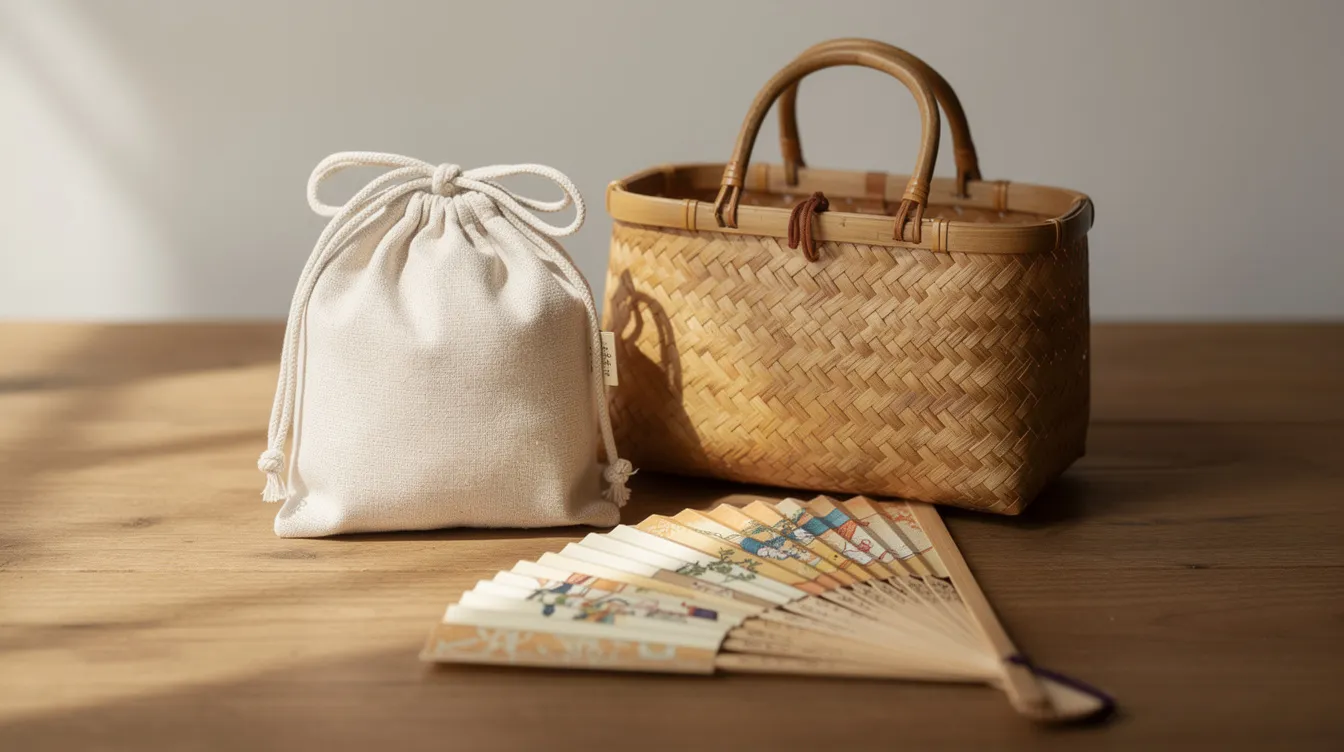
- Kinchaku: Soft drawstring pouches, typically cotton or silk cloth, cinched closed with fabric strings. Lightweight, easy to carry, and available in countless patterns.
- Kago (basket bags): Woven bamboo or wood baskets, often with a fabric pouch inside for organization. They pair beautifully with the natural wood tones of geta.
Sizing Guidance
Choose a bag just large enough for the essentials:
|
Item |
Fits In |
|---|---|
|
Smartphone |
Kinchaku or kago |
|
Slim wallet or transit card |
Kinchaku or kago |
|
Small hand fan (uchiwa or sensu) |
Kago preferred |
|
Lipstick or compact mirror |
Either |
|
Bandages for toe blisters |
Either |
Oversized bags throw off the silhouette and make walking in geta more cumbersome.
Coordination and Carrying
Match or echo one accent color from your obi or yukata pattern rather than copying the dominant base color exactly. For example, if your obi has a soft pink tone, a kinchaku with pink accents ties the look together without being too literal. Basket bags with their warm, earthy tones look especially lovely with white, navy, or pastel yukata.
Carry the bag low and relaxed at your side-not high like a Western handbag. This preserves the traditional lines of the attire in photographs and while walking.
Hairpieces & Hairstyles: Framing the Yukata and Geta Silhouette
An updo completes the vertical, graceful line that flows from your hair down through the sleeves of your yukata to the wooden geta on your feet. It also highlights the emon-the nape of the neck-which is considered one of the most elegant features of japanese clothing when worn properly.
Why Updos Matter
In japanese culture, showing the back of the neck slightly with yukata is a mark of refinement, especially during summer evenings. Updos also keep you cooler in humidity, which is practical during the summer months in Japan.
Beginner-Friendly Styles
- Low bun at the nape, twisted and pinned
- Loose chignon with a few face-framing pieces
- High ponytail twisted into a bun and secured with pins
- Half-up, half-down with decorative clips for shorter hair
Kanzashi and Floral Clips
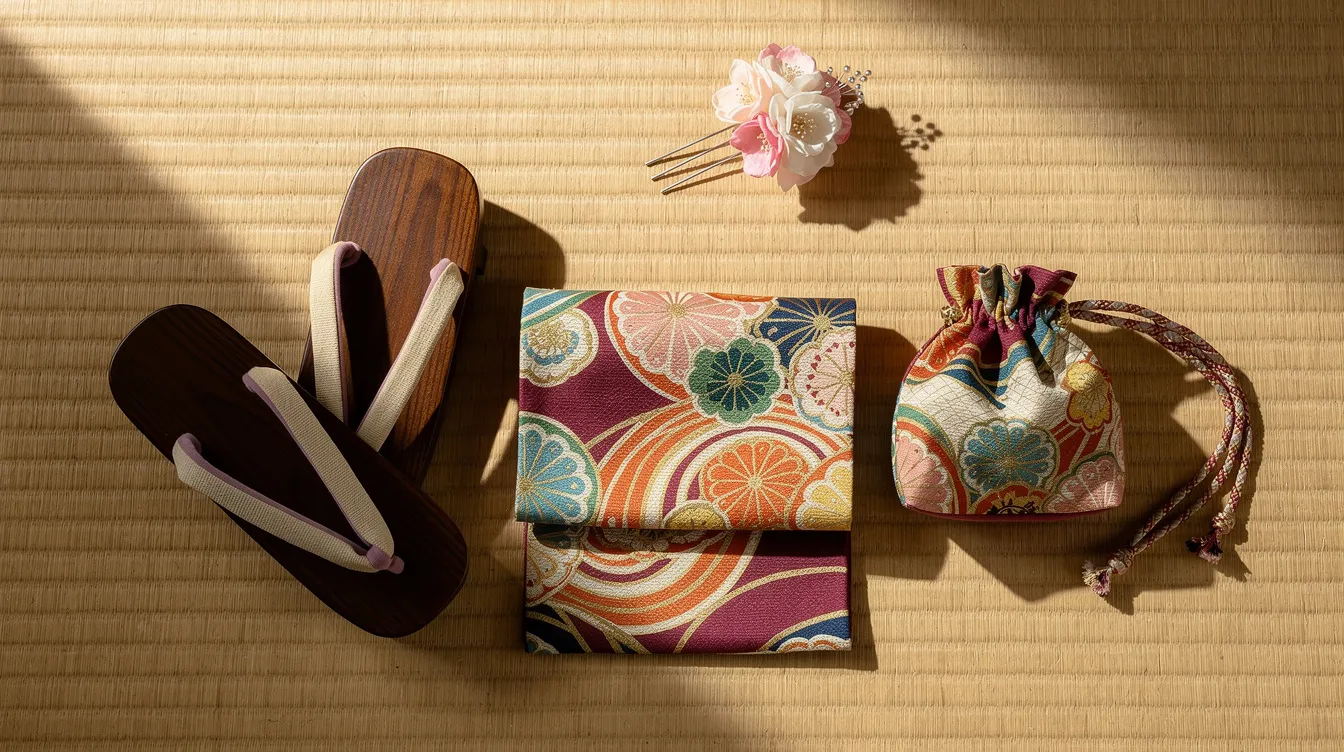
Kanzashi are traditional hairpins made from materials like silk, lacquered wood, or metal. For July and August festivals, seasonal motifs such as morning glories, hydrangeas, and chrysanthemums are popular choices. Modern floral clips in fabric or synthetic silk are lighter, more practical, and hold up better in heat and humidity.
Positioning Tips
For most face shapes, place the main hair ornament slightly above and behind one ear-often the right side. Central placement can visually shorten the neck. If your hair is short, use multiple smaller clips on each side for balance.
Coordinate your hairpiece with the secondary color in the obi or the hanao of your geta rather than the dominant yukata color. This keeps the look layered and intentional.
Styling & Color Coordination Masterclass
Here is a simple formula for making your whole outfit-yukata, obi, geta, bag, and hairpieces-look like it was styled by a professional rather than assembled at random.
The Three-Color Rule
- Main color: The base of the yukata fabric (e.g., navy, white, black)
- Accent color one: A color found in the yukata's pattern or the obi (e.g., red, pink, gold)
- Accent color two: A secondary motif color (e.g., green leaves, white petals)
Practical Pairing Rules
- Coordinate geta hanao and hairpieces with a minor color in the obi
- Select your kinchaku or basket bag to pick up a small motif color in the yukata
- Keep the price of complexity low: two or three repeating colors always reads better than five competing ones
A Concrete Example
|
Piece |
Color/Style |
|---|---|
|
Yukata |
Navy base with white and red flowers |
|
Obi |
Yellow with subtle gold lace detail |
|
Geta hanao |
Red, soft cotton |
|
Kinchaku |
Red-and-white fabric |
|
Hairpiece |
White floral clip |
This outfit uses navy as the anchor, red as the connecting thread across accessories, and white as a fresh accent. The yellow obi provides contrast without clashing.
Match or Contrast?
- Creates a calm, elegant, formal look
- Complementary contrast (opposite colors, like blue and orange): Gives youthful, festival-ready energy
Mixing Traditional and Modern
You can absolutely blend old and new. Pair wooden geta with rubber soles for city streets. Use a basket bag with a discreet inner zip pocket for your phone. Choose a minimalist metal kanzashi with a classic floral yukata. The goal is not museum-level authenticity-it is a look that feels like you, grounded in tradition.
ADN Kimono's curated sets are designed around this principle: every piece in the stock is chosen so the colors, textures, and proportions work together from the start.
Practical Matsuri Checklist: From Door to Festival and Back
Before you step out, run through this quick checklist:
- Fit checks: Yukata hem at or just above ankles. Heel extending 1–2 cm beyond geta. Hanao comfortable, not pinching between toes.
- Bag essentials: Phone, cash or transit card, small fan, bandages or toe tape, lipstick or compact mirror.
- Walk test: Cross the room, go up and down a step. Make sure the yukata hem does not catch under the geta.
- Etiquette reminders: Keep steps small in crowds. Turn your body when pivoting. Avoid muddy grass with lacquered wood soles-stay on paths or stone.
- Photo check: Take a full-length photo at home. Check that accessory colors balance and nothing looks out of place.
If you are staying at a ryokan before a festival, many provide simple yukata and geta for guests-a perfect opportunity to practice your walk before the main event. You might also see hakama or dresses at some venues, but for summer matsuri, yukata remains the go-to garment.
Conclusion: Stepping Out with Confidence in Yukata and Geta
The journey from choosing the right pair of japanese geta to walking comfortably through a festival is shorter than most beginners expect. Select a style that fits your feet and your yukata's personality. Practice the toe-first walking technique indoors. Coordinate your kinchaku, hairpiece, and obi colors around two or three accent tones. That is genuinely all it takes.
Traditional japanese footwear like geta sandals may feel unfamiliar at first-they are not your everyday shoes, after all. But with the right fit and a little practice, they become both stylish and comfortable for summer nights. Do not fear getting it wrong. Enjoy the karankoron of wood on stone, the swish of a neatly tied obi, and the warmth of festival lanterns reflected in lacquered surfaces.
At ADN Kimono, we believe that every detail matters-from the texture of the hanao to the placement of a single kanzashi. Whether you are preparing for your first matsuri or refining a look you have worn for years, our curated collections of yukata, geta, kinchaku, and hair accessories are designed to make stepping into japanese culture feel natural and joyful. Explore our styling sets, and step out with confidence.